Taurid Meteor Shower Tonight: Peak Time and Where to Look
The Northern Taurid meteor shower peaks tonight, Nov. 11-12, 2026. Best time is around midnight under a 4% moon. Expect about 5 meteors an hour and fireballs.
Quick read
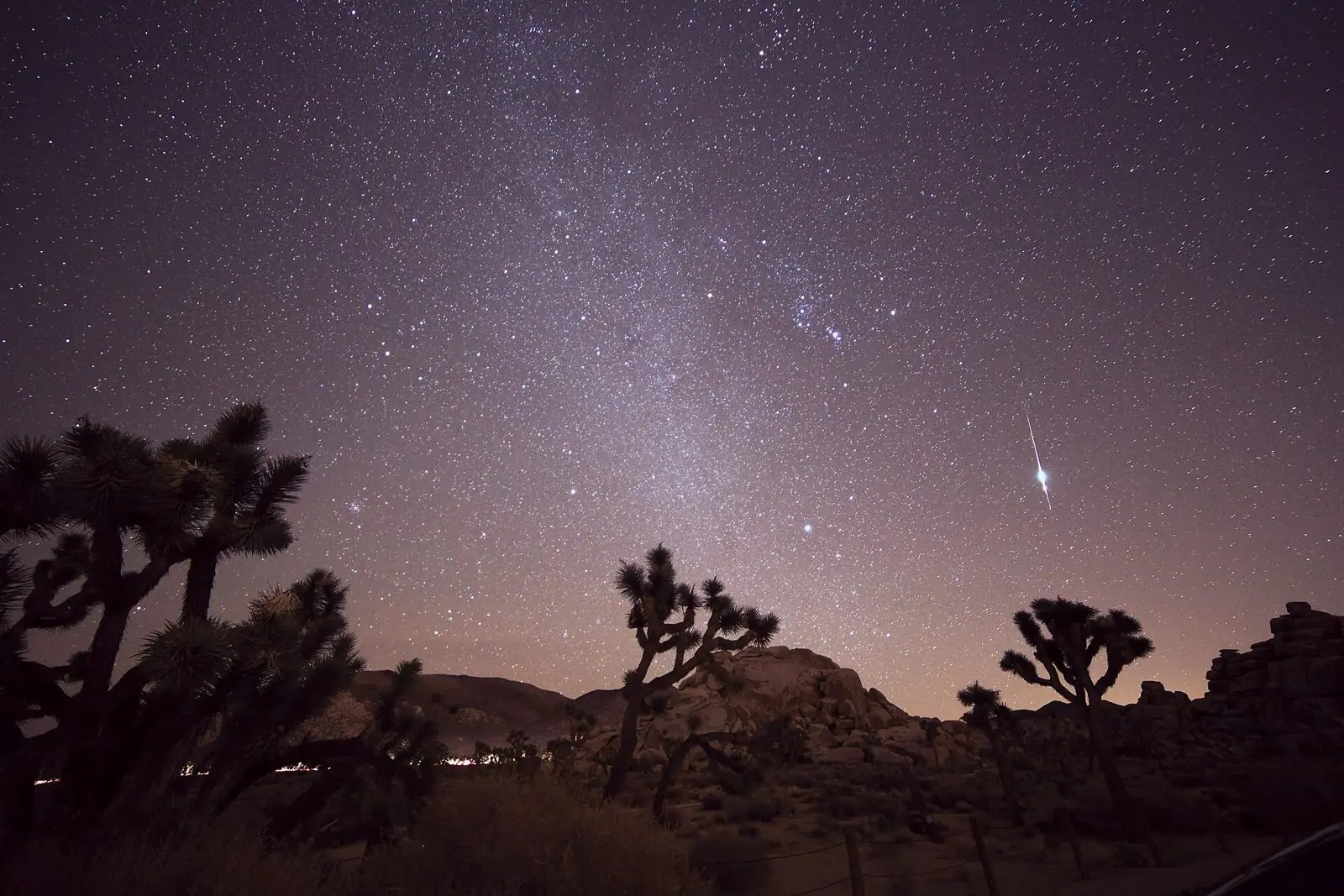
The Northern Taurid meteor shower peaks tonight, overnight Wednesday, Nov. 11, into Thursday, Nov. 12, 2026. The best viewing is around midnight local time, when the radiant in the constellation Taurus is high in the southeastern sky. Rates are low, about five meteors an hour, but the shower is known for bright, slow fireballs.
Key takeaways
- The moon is only about 4% lit on peak night, according to the American Meteor Society, so moonlight won't wash out fainter meteors.
- Taurid meteors hit the atmosphere at roughly 18 miles per second, slow enough that bright ones can linger for a second or two.
- The Leonids follow closely, peaking the night of Nov. 16-17, and the Geminids, usually the year's strongest shower, peak Dec. 13-14.
In this article
Last updated: Wednesday, Nov. 11, 2026, 9:10 a.m. ET.
If you see a slow, bright streak overhead tonight, it's probably a Taurid. The Northern Taurid meteor shower peaks tonight, Nov. 11-12, 2026, and the sky is cooperating better than usual. The moon is a sliver, just 4% lit on peak night, per the American Meteor Society, which means the only thing standing between you and a good show is the weather and your local streetlights.
Set expectations first. This is not the Perseids. You'll see a handful of meteors an hour at best. What makes the Taurids worth a cold half-hour on the lawn is that a larger-than-usual share of them are fireballs.
What time is the Taurid meteor shower tonight?
The best time to watch the Taurid meteor shower tonight is around midnight local time, overnight Wednesday into Thursday. That's when the shower's radiant, the spot in the constellation Taurus that the meteors seem to fly out of, sits high in the southeastern sky, Space.com reports.
Because the peak is defined by local sky position, the timing works the same in every U.S. time zone. Midnight in New York and midnight in Los Angeles are both good. Taurus rises in the east in the evening, so you can start looking after dark and keep going until the sky brightens before dawn.
The shower is broad, too. Northern Taurids are active from Oct. 20 through Dec. 10, so if tonight is cloudy, Thursday and Friday nights will still produce a few.
How many meteors you'll actually see
Under truly dark skies, expect about five meteors an hour at the peak. The American Meteor Society lists the Northern Taurids' rate at that level, and NASA's forecast is similar. From a suburban backyard, cut that number down.
Here's the catch that makes the number misleading. The Taurids are made of larger debris than many showers, so they throw off more fireballs, meteors that can flare brighter than Venus. Bill Cooke, NASA's meteoroid office lead, told Newsweek that people shouldn't be surprised to see a bright meteor or fireball over the next few nights.
Where to look for the Taurids
Face southeast and look up. Then shift your gaze a little away from Taurus.
That sounds backward, but it works. Meteors close to the radiant are coming almost straight at you, so their trails look short. A patch of sky a good distance off to the side shows longer streaks. If you can find the Pleiades, the small, tight star cluster in Taurus, you've found the general neighborhood.
Some practical tips for watching the Taurid meteor shower:
- Get away from lights. A park, a rural road or even the dark side of a house beats a front porch under a streetlight.
- Give your eyes 20 to 30 minutes. Night vision takes time to build, and one glance at a phone screen resets it. Turn the brightness all the way down or use a red-light mode.
- Skip the telescope. Binoculars and telescopes shrink your view to a tiny circle. Meteors need a wide-open sky.
- Dress for it. Mid-November nights are cold across much of the country. A reclining lawn chair and a blanket make an hour far more pleasant.
Weather is the wild card. Check your local forecast for cloud cover this evening; a clear, moonless sky is the whole game with a shower this sparse.
Why the Taurids produce fireballs
Both Taurid showers come from Comet Encke, a roughly 3-mile-wide ball of ice and rock that circles the sun every 3.3 years. As Earth passes through the trail of debris it leaves behind, those bits hit the upper atmosphere at about 65,000 mph, or roughly 18 miles per second, and burn up.
That's slow by meteor standards. It's part of why Taurid fireballs can look so lazy, gliding across the sky instead of flashing past. The brightest ones come from pebble-size pieces, which is bigger than the grains behind a typical shooting star.
Northern vs. Southern Taurids
There are actually two Taurid showers. The Southern Taurids run from Sept. 20 to Nov. 20, and in 2026 they had two peaks, on Oct. 14 and overnight Nov. 4-5. The Northern Taurids come a little later. When both branches overlap in late October and early November, the AMS says fireball activity sometimes picks up, which is why you'll hear people talk about "Halloween fireballs."
Tonight belongs to the northern branch. If you see a slow meteor that traces back toward Taurus, odds are good it's from Encke's trail.
Meteor showers coming up in November and December
Miss tonight and you don't have to wait long. The Leonids are already active and peak the night of Nov. 16-17, according to the AMS calendar. They're famous for historic meteor storms in 1833, 1966 and 2001, but no storm is expected this year, just a modest shower.
The big one is the Geminids, peaking Dec. 13-14. They're usually the strongest shower of the year and one of the few that put on a decent show before midnight, which makes them friendlier for families with kids.
If tonight sparks a bigger space habit, NASA's astronaut application requirements are worth a read. And since the clocks fell back on Nov. 1, darkness now arrives early enough that you can catch a few Taurids in the evening and still get to bed at a reasonable hour.
If the clouds clear tonight, give it at least 30 minutes outside. With a shower like this, the one fireball you'll remember can show up five minutes after you were about to go in.
Frequently asked questions
- What time is the Taurid meteor shower tonight?
- The best window is around midnight local time on the night of Wednesday, Nov. 11, into Thursday, Nov. 12. That's when the radiant in Taurus sits high in the southeastern sky. Meteors can show up from mid-evening until dawn, so you don't have to stay up until the exact peak.
- What direction should I look to see the Taurid meteor shower?
- Face roughly southeast, then look up and a little away from the constellation Taurus rather than straight at it. Meteors near the radiant have short trails. A patch of sky some distance off to the side gives longer, more eye-catching streaks, and meteors can appear anywhere overhead.
- How many meteors per hour are in the Taurid meteor shower?
- Expect about five meteors an hour from a dark site at the Northern Taurids' peak, according to the American Meteor Society. That's a small number compared with the Geminids. The appeal is quality, not quantity: the Taurids produce a higher share of fireballs, meteors brighter than the planet Venus.
- Can you see the Taurid meteor shower from the city?
- You might catch a fireball from the suburbs, since the brightest Taurids can cut through light pollution, but you'll miss most of the fainter meteors. A dark spot away from streetlights makes a big difference for a shower this sparse. Tonight's thin 4% moon helps wherever you watch.
- When is the next meteor shower after the Taurids?
- The Leonids are next. They're active Nov. 6-30 and peak the night of Nov. 16-17, 2026, according to the American Meteor Society. After that comes the Geminids, active Dec. 4-17 and peaking Dec. 13-14, which is usually the strongest meteor shower of the year.
Sources
- 2026/2027 Meteor Shower Calendar · American Meteor Society, Accessed Nov. 11, 2026
- Don't miss the Northern Taurid meteor shower peak tonight! Here's what you need to know · Space.com, Nov. 11, 2026
- Taurid meteor shower: where US skies will be clearest for peak night · Newsweek, Nov. 2026
Tags
- #Taurid Meteor Shower
- #Meteor Showers
- #Stargazing
- #Astronomy
- #Night Sky
About the author
Founder and editor
Marcia Reid is the founder and editor of TrendCanopy, where she reviews and edits every story.
Spotted an error? Read our corrections policy or contact us. Last reviewed November 11, 2026.
Related stories

SS United States Sunk Off Florida: Where the Reef Is and Who Can Dive It
The SS United States sank in the Gulf off Destin, Florida, on Nov. 11, 2026, becoming the world's largest artificial reef. Depth, location and diving rules.

Veterans Day 2026: Free Meals, Deals and What's Open or Closed
Veterans Day 2026 is Wednesday, Nov. 11. Which restaurants give veterans free meals, plus whether banks, post offices and the stock market are open.
Foundayo Sleep Apnea Results: Lilly's Pill Cuts Episodes 44%
Foundayo sleep apnea trial results: Lilly's GLP-1 pill cut breathing interruptions up to 44% in a year-long study. FDA filing timing and how it compares.

Why Are Flights So Expensive? Holiday Airfare Hits 10-Year High
Why are flights so expensive? Thanksgiving fares average $402, up 31%, as jet fuel costs bite. The cheapest days to fly and whether prices will drop.

Energy Drinks and Cardiac Arrest in Young Adults: What the New Study Found
A new study ties energy drinks to cardiac arrest and heart attack reports in young adults. What the FDA data shows, its limits and how much caffeine is safe.
Bird Flu Death in Washington: What Yakima Officials Say
A bird flu death in Washington, the first in the U.S. this year, followed exposure at a Yakima County dairy. What's known, who is at risk and what to avoid.