FIFA confirms a cyberattack gave hackers access to personal and business information
Soccer's governing body says it is working with law enforcement after the FIFA cyberattack. A group called Handsome Boy Hacking Club claims it took 12 GB.
What happened
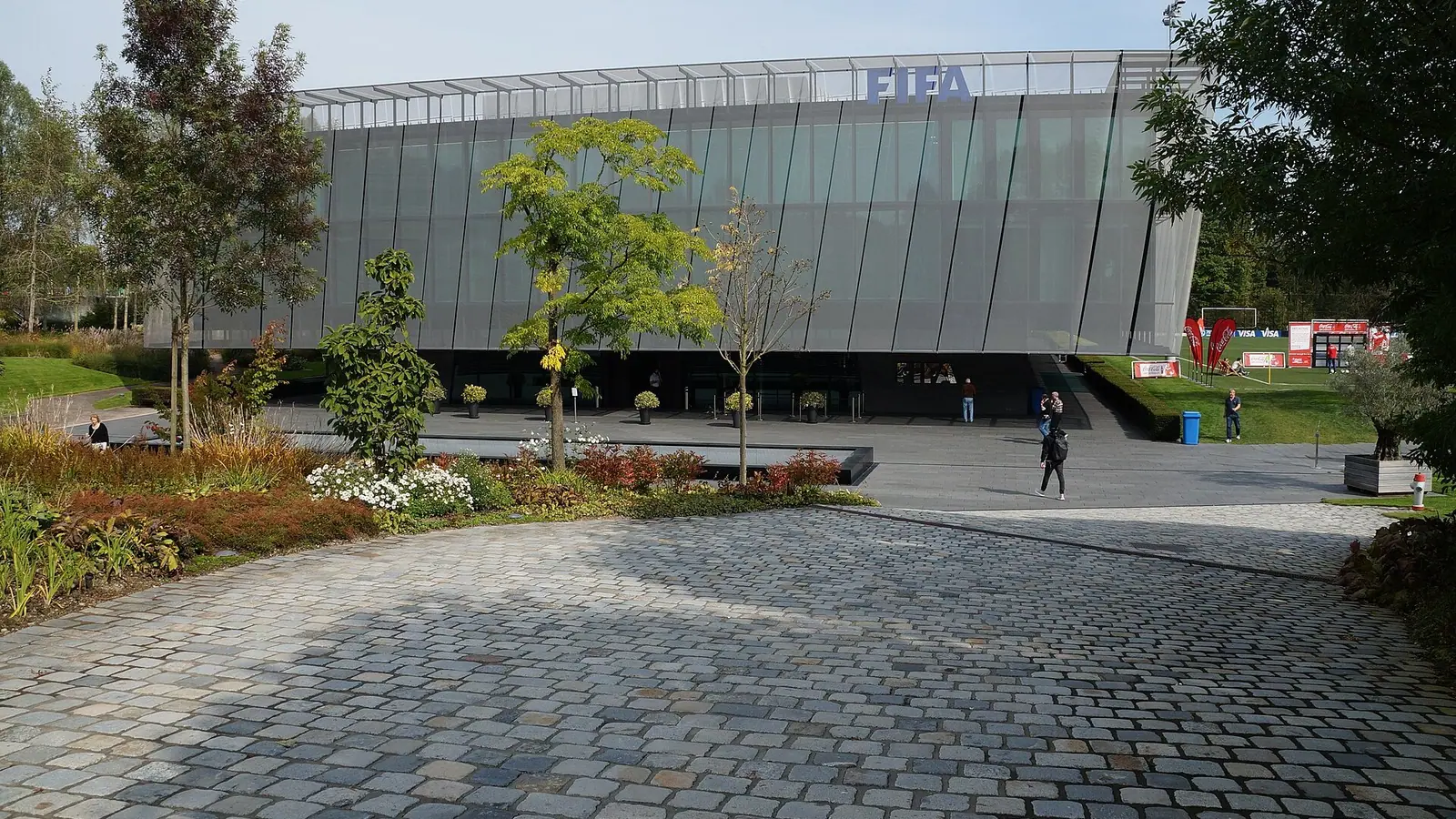
FIFA confirmed on Thursday, Nov. 26, 2026, that a criminal cyberattack gave hackers access to what it called a limited set of personal and business information. The FIFA cyberattack has been claimed by a new group called the Handsome Boy Hacking Club, and FIFA says it is working with law enforcement. It hasn't said who is affected or when the break-in happened.
Key takeaways
- The hacking group says it took more than 12 GB, including identity and immigration documents, financial records and legal files. FIFA hasn't confirmed that list.
- A person familiar with the matter told Reuters the stolen material is less than 0.1% of the data FIFA holds.
- FIFA sources told The Athletic the attackers got in by impersonating staff, not through a technical failure.
- BBC Sport and The Athletic report that no files on Gianni Infantino's abandoned World Cup investment plan were taken.
In this article
Last updated: Thursday, Nov. 26, 2026, 12:20 p.m. ET. FIFA has released only a short statement so far. We'll update this post if it says who was affected.
FIFA has confirmed what a little-known hacking crew had been claiming for a week. Soccer's world governing body said Thursday that criminals got into its systems and accessed "a limited set of personal and business information," and that it is working with police and other authorities.
The statement, sent to The Associated Press and other outlets, was short. FIFA didn't say when the attack took place, how many people or organizations are affected, or what kind of business information was taken. It did make its anger plain, saying it "condemns in the strongest possible terms" the theft and publication of the data, particularly personal data, and warning that the leak "can have significant consequences for the individuals concerned."
Read also: 1Password says a hacker copied customer names and emails but never reached vaults · FBI investigates an apparent breach of its national crime database · CIA breach exposed unclassified data on an open-source intelligence network, reports say
Who is behind the FIFA cyberattack
A group calling itself the Handsome Boy Hacking Club, or HBHC, has claimed it. According to Insider Sport, the group posted an image on X on Nov. 19 that appeared to show FIFA's internal "My Apps" portal, a Microsoft dashboard staff use to open work applications. A day later it posted that a "FIFA leak is coming."
The AP reported that three days after that first screenshot, the group seemed to take credit for the hack in a reply to a post saying more than 12 gigabytes of internal documents had leaked.
The Record, a cybersecurity news site, reported that HBHC says it tried to extort FIFA and failed, then put the files on a cybercriminal forum. The group says it got into FIFA's Microsoft environment. The Record also noted that the crew only appeared last week and that little is known about who is in it.
What the hackers say they took
HBHC's own description of the haul is broad. It claims the 12 GB includes:
- Identity and immigration documents
- Financial records and legal documents
- Information about executives
- Internal governance files
Those are the hackers' words, not FIFA's. Anadolu Agency pointed out that FIFA hasn't independently confirmed how much was taken or what is in it.
People inside FIFA are trying to shrink the story. A person familiar with the matter told Reuters, in a report carried by Al Jazeera, that less than 0.1% of the data FIFA holds was affected. BBC Sport said analysis points to the same figure and that the attack targeted the organization rather than particular people. FIFA sources gave The Athletic a similar account, adding that it's still unclear whether president Gianni Infantino or secretary general Mattias Grafstrom were singled out.
How the hackers got in
This wasn't a broken firewall, according to FIFA's side of the story. A FIFA source told The Athletic that the attackers got access by impersonating staff, not because of a systems or technical failure, and BBC Sport reported the same.
Security people call that social engineering. Instead of breaking software, an attacker tricks a person, often by posing as a colleague or the help desk, into handing over a login or approving access. It is one of the most common ways into large organizations, and it's the same weak point behind several breaches we've covered this month, including 1Password says a hacker copied customer names and emails but never reached vaults, where the way in was one employee's GitHub account.
FIFA hasn't said which staff were impersonated or how.
Why the timing matters for Infantino
The breach lands during an awkward stretch for FIFA's leadership. Infantino has faced heavy scrutiny over the FIFA Forward Enterprise proposal, a scrapped plan to sell private investors stakes in a company running the commercial side of tournaments including the World Cup. Insider Sport reported that UEFA went to court to get documents about how the plan came together, and The Guardian published some of those papers on Nov. 23.
Given that fight, the first question many asked was whether the hackers had the investment files. BBC Sport and The Athletic both report they did not. BBC Sport added that Football Association chair Debbie Hewitt was given access to those files this week after signing a non-disclosure agreement.
Infantino, who has led FIFA for 11 years, is also running to stay in charge through 2031. The AP reported he is the favorite in the March 18 election against Kohzo Tashima of Japan and Philippe Diallo of France.
Does this affect American fans?
Nothing published so far says fan accounts, ticket buyers or payment cards were involved. The claimed files are internal: staff, executive, legal and governance records. FIFA is based in Zurich and has roughly 700 employees, according to The Record.
The US still has reason to watch. It co-hosted this summer's men's World Cup with Canada and Mexico, when FIFA sold tickets through its own site, and it leads the bid FIFA picked for the 2031 Women's World Cup.
A breach that makes headlines tends to bring a wave of scam messages that borrow the name. If an email or text about your FIFA account, tickets or a refund shows up out of nowhere, don't click the link. Type the official FIFA address yourself or open its app, and never send a password or one-time code to anyone who contacts you first.
The next thing to look for is a fuller notice from FIFA saying whose data was exposed, which it hasn't given yet. Another breach disclosure from this week: Treasury's FinCEN takes some systems offline after unauthorized access in a cyber incident.
Frequently asked questions
- Was FIFA hacked?
- Yes. FIFA confirmed on Nov. 26, 2026, that it was the victim of a criminal cyberattack that led to unauthorized access to a limited set of personal and business information. It says it is working with law enforcement but hasn't said when the attack happened or exactly what was taken.
- Who hacked FIFA?
- A group calling itself the Handsome Boy Hacking Club has claimed responsibility. It posted screenshots of what it said were FIFA files on X on Nov. 19. FIFA's statement doesn't name anyone, and The Record reports that little is known about the group, which surfaced only last week.
- What data was stolen in the FIFA cyberattack?
- FIFA only says personal and business information. The hackers claim more than 12 GB, including identity and immigration papers, financial records, legal documents and internal governance files. Reuters and The Athletic were told the material is under 0.1% of FIFA's data, and no investment-plan files were included.
- Should World Cup fans worry about the FIFA data breach?
- FIFA hasn't said whether fan or ticket-holder data was involved, and reports so far describe internal company files. Even so, a well-publicized breach is a common hook for phishing, so be wary of unexpected emails or texts about FIFA accounts, tickets or refunds.
Sources
- FIFA says it has been victim of a cyberattack accessing 'personal and business information' · The Associated Press, Nov. 26, 2026
- Fifa confirms internal data stolen in cyber attack · BBC Sport, Nov. 26, 2026
- FIFA says hackers accessed 'limited set of personal and business information' · The Record from Recorded Future News, Nov. 25, 2026
- FIFA says personal and business information stolen in cyberattack · Al Jazeera (with AP and Reuters), Nov. 26, 2026
- FIFA confirms cyberattack as hacking group claims theft of sensitive data: Report · Anadolu Agency, Nov. 26, 2026
- FIFA confirms cyberattack days after hackers claimed leak · Insider Sport, Nov. 26, 2026
Tags
- #FIFA cyberattack
- #FIFA hack
- #FIFA data breach
- #Handsome Boy Hacking Club
- #Gianni Infantino
- #data breach
- #social engineering
- #cybersecurity
About the author
Founder and editor
Marcia Reid is the founder and editor of TrendCanopy, where she reviews and edits every story.
Spotted an error? Read our corrections policy or contact us. Last reviewed November 26, 2026.
Related stories

Trending now
Money ·
Trump demands an investigation of the GDP revision, calling earlier figures fakeSports ·
Lions and Bears open the NFL Thanksgiving games with first place in the NFC North at stakeLifestyle ·
Lowe's opens Black Friday Doorbusters to members online while stores close for ThanksgivingNews ·
Judge blocks FCC's early ABC license review, citing likely Trump retaliationMoney ·
SpaceX and Elon Musk pledge about $17.8 billion in stock to kids' Trump Accounts