1Password says a hacker copied customer names and emails but never reached vaults
An attacker used an employee's corporate GitHub account to pull account records from backend systems. What was taken, what wasn't and what users should do now.
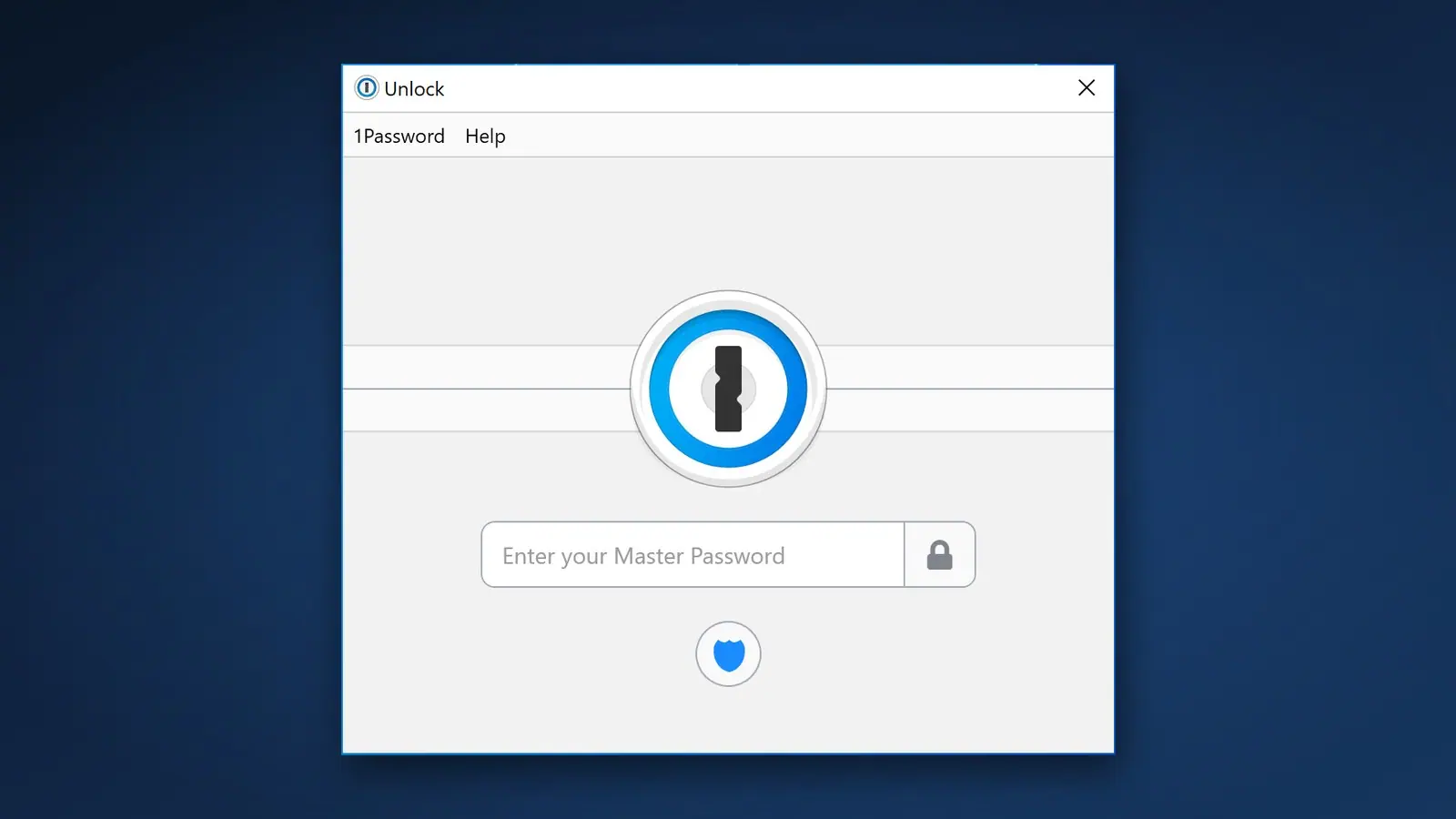
What happened
Password manager 1Password said Wednesday, Nov. 25, 2026, that an attacker broke into some of its backend systems and downloaded account records for a subset of customers, including names and sign-in email addresses. The company says vaults, the passwords stored in them and the keys that protect them were never accessed, and that customers don't need to change anything in their accounts.
Key takeaways
- The way in was an employee's corporate GitHub account. 1Password began investigating on Nov. 19.
- The attacker also copied private source code and got into the company's build and deployment system, so 1Password rotated internal credentials.
- Codes in invitation and recovery emails went from six digits to 10 characters to make guessing impractical.
- The company hasn't said how many people are affected. Its X account told users it is still sending notification emails.
In this article
Last updated: Wednesday, Nov. 25, 2026, 3:40 p.m. ET. This is a developing story. 1Password hasn't said how many customers were affected, and we'll update this post as it shares more.
1Password, which says millions of people and more than 200,000 businesses use its password manager, said Wednesday that an attacker got into some of its backend systems and walked off with customer account records. The company was firm on one point: nobody got into the vaults where people keep their passwords.
"At no time were customer vault contents accessed by, or available to, the attacker," the Toronto-based company wrote in its incident update.
Read also: CIA breach exposed unclassified data on an open-source intelligence network, reports say · FBI investigates an apparent breach of its national crime database · Treasury's FinCEN takes some systems offline after unauthorized access in a cyber incident
It started with one employee. On Nov. 19, 1Password began looking into signs that someone had taken over a staff member's corporate GitHub account. The intruder used it to view source code and push malicious code to backend services, and that code downloaded administrative data about customers. TechCrunch reported that it's still unclear how the account was compromised, and a 1Password spokesperson didn't immediately answer its questions.
What the 1Password breach exposed
The company says the stolen records cover "a subset" of users and include:
- Names and the email addresses people use to sign in
- Account and user identifiers, plus when each account was created and last signed in
- Public keys, which are meant to be public and don't affect security, the company said
- Secure Remote Password protocol parameters, which 1Password says can't be used to get into an account
- Tokens from some emailed links for invitations, provisioning and account recovery
- Other internal metadata, such as version and file numbers
The attacker also copied code from private repositories and reached 1Password's CI/CD system, the pipeline that builds and ships its software. That system holds infrastructure secrets the product needs to run. 1Password says the code contains no customer data, and it has rotated or revoked every internal credential that may have been exposed.
Those email tokens are the piece that needed a fix. When 1Password sends an invite to join an account through its SCIM Bridge or Hosted Provisioning, or a link to recover an account, the link carries a token. On its own the token can't open an account; it has to be paired with an SSO sign-in or a six-digit code sent to the user's email. A small number of people had invites or recoveries in progress during the incident, and they've been contacted directly. The company has now stretched those codes to 10 letters and numbers, which it says makes guessing them "practically impossible."
What wasn't touched
According to 1Password, these were safe: vaults and everything in them, the keys that protect vaults, account recovery keys, and the apps and browser extensions. It doesn't store account passwords or Secret Keys in the first place. The company said it found no evidence of accounts being taken over with the exposed tokens, and it has hired outside security experts to check its containment work.
It also disabled the employee's GitHub account, revoked the stolen token, removed access the attacker had set up and tightened controls on GitHub, its CI/CD system and company devices.
What 1Password users should do
The company's advice is short: you don't need to change anything in your account. The bigger risk now is scam messages, because whoever has these records knows which email addresses belong to 1Password customers.
- Be suspicious of unexpected emails, texts or calls about 1Password, especially invitations or account recovery you didn't ask for.
- Enter your account password and Secret Key only in the 1Password app or on its official website, and only after opening the app or typing the address yourself.
- Report anything odd to support@1password.com.
1Password says it will never contact you to ask for your password or Secret Key. Business Insider noted that names and emails are exactly the kind of details scammers use to make phishing look real.
Who has been told
Some customers heard about the breach from social media before any email arrived. When one user asked on X why they'd found out from someone else, the company's account replied that it is "still notifying customers by email" and apologized. Earlier in the day it told another user that email communications had begun.
1Password hasn't said how many customers are in the affected group, The Verge and TechCrunch both noted. It also hasn't said whether the attacker has made contact or demands, which TechCrunch has asked about.
It's been a busy month for breaches. Federal agencies have disclosed several, including the incident in Treasury's FinCEN takes some systems offline after unauthorized access in a cyber incident and the one described in CIA breach exposed unclassified data on an open-source intelligence network, reports say. For a company whose whole pitch is guarding secrets, the open question is how an attacker got hold of one employee's GitHub login, and 1Password hasn't answered it yet.
Frequently asked questions
- Was my data in the 1Password breach?
- Possibly, if you're in the affected subset, and 1Password is telling those customers by email. The company hasn't said how many accounts are involved, but its X account said Wednesday that it is still sending notices, so not getting one yet doesn't mean you're in the clear.
- Were my passwords stolen in the 1Password hack?
- No, according to 1Password. It says vault contents, the keys that protect vaults and account recovery keys weren't affected, and it doesn't store your account password or Secret Key at all.
- Do I need to change my 1Password password?
- 1Password says you don't need to update anything in your account. Its main advice is to watch for phishing emails, texts or calls that mention 1Password, invitations or account recovery you didn't start.
- Is 1Password safe to use after the breach?
- The company says its apps, browser extensions and services are working normally and that it found no sign of accounts being taken over. Outside experts are reviewing its cleanup, and it hasn't said how the employee's GitHub account was compromised.
Sources
- Update on a security incident involving 1Password's backend systems · 1Password, Nov. 25, 2026
- 1Password said hackers broke into its internal systems, but customer passwords are safe · TechCrunch, Nov. 25, 2026
- 1Password breach leaked customer names and emails, but not passwords · The Verge, Nov. 25, 2026
- 1Password warns of phishing attempts after a hacker gained access to customer information · Business Insider, Nov. 25, 2026
- Reply on customer notification emails · 1Password on X, Nov. 25, 2026
Tags
- #1Password
- #1Password breach
- #1Password hacked
- #password managers
- #data breach
- #phishing
- #GitHub
- #cybersecurity
About the author
Founder and editor
Marcia Reid is the founder and editor of TrendCanopy, where she reviews and edits every story.
Spotted an error? Read our corrections policy or contact us. Last reviewed November 25, 2026.
Related stories

Trending now
Entertainment ·
Andy Taylor, Duran Duran's original guitarist, dies of prostate cancer at 65Sports ·
Micah Parsons is set for his Packers season debut against the Rams on Thanksgiving EveNews ·
Macy's postpones its 100th Thanksgiving Day Parade to Saturday as a storm nears NYCNews ·
Judge blocks Trump's second birthright citizenship order in a classwide rulingEntertainment ·
HBO Max sets The Pitt season 3 premiere for January as Noah Wyle's Robby returns