Treasury's FinCEN takes some systems offline after unauthorized access in a cyber incident
The financial crimes bureau that collects banks' suspicious activity reports says intruders reached part of its systems. Filing deadlines move to Dec. 30.
What happened
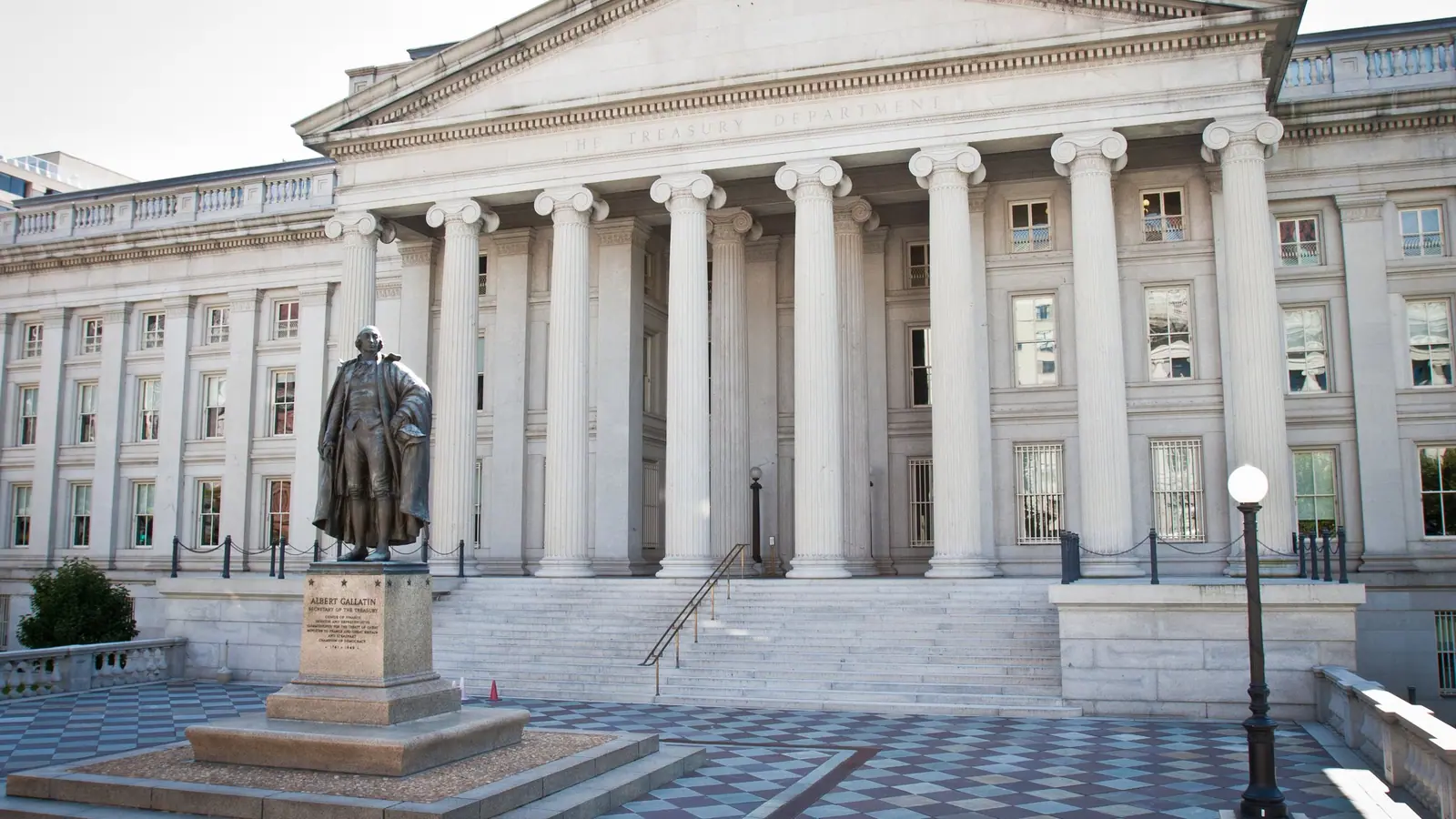
The Treasury Department's Financial Crimes Enforcement Network, or FinCEN, said Tuesday, Nov. 24, 2026, that it is investigating a cybersecurity incident that "resulted in unauthorized access to a limited subset of its systems." The bureau took some systems offline as a precaution. Its BSA E-Filing website, where banks submit suspicious activity reports, is still up, but some services may be unavailable. FinCEN hasn't said who was behind it or whether any data was taken.
Key takeaways
- A FinCEN order gives affected filers until Dec. 30 for reports that were due between Nov. 18 and Dec. 29.
- Banks that need to get suspicious activity information to law enforcement quickly can use the Financial Institutions Hotline, 1-866-556-3974, which FinCEN says wasn't affected.
- No hacking group has claimed responsibility, The Record reported.
- The disclosure came hours after reports of a breach of unclassified systems at the CIA and ODNI. It's unclear if the two are related.
In this article
Last updated: Wednesday, Nov. 25, 2026, 6:55 a.m. ET. This is a developing story. FinCEN and Treasury haven't answered questions about the incident, and we'll update this post when they do.
The Treasury Department's Financial Crimes Enforcement Network is investigating a cybersecurity incident and has pulled some of its systems offline, according to an alert posted Tuesday evening on its BSA E-Filing website. The Verge first reported the notice, and The Record and ABC News followed.
The alert says the incident "resulted in unauthorized access to a limited subset of its systems." It doesn't say which systems, who got in or what they could see.
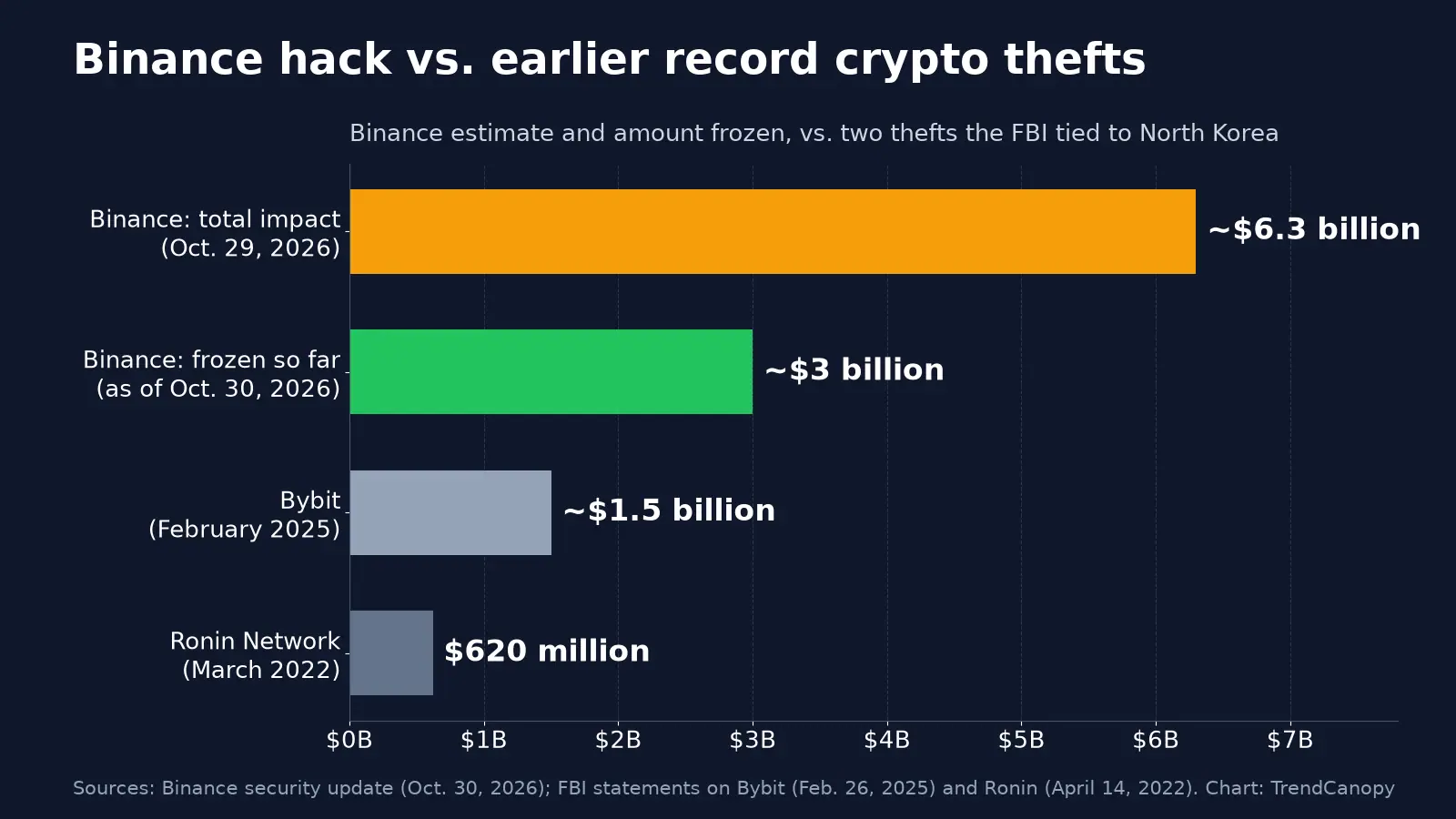
Read also: CIA breach exposed unclassified data on an open-source intelligence network, reports say · FBI investigates an apparent breach of its national crime database · Hackers steal $6.3 billion from Binance in a record crypto theft
"As a proactive measure, FinCEN has taken some systems offline," the notice reads. "The BSA E-Filing website remains operational; however, some services may be temporarily unavailable."
What the FinCEN cybersecurity incident affects
FinCEN's job is to guard the financial system against money laundering, terrorism financing and other illegal activity. It keeps financial transaction data and shares it with law enforcement, and it houses the suspicious activity reports banks must file under the Bank Secrecy Act, The Verge noted. That makes it one of the more sensitive data stores in the federal government.
Banks can still file those reports online, but some features may not work right away, the agency said. For anything urgent, FinCEN pointed financial institutions to its Financial Institutions Hotline, 1-866-556-3974, which it said wasn't affected by the disruption.
The bureau also issued a formal order on Nov. 24, FIN-2026-R002, giving relief to filers hit by what it calls a "service disruption." It covers:
- Financial institutions that used Secure Data Transfer Mode, the system-to-system batch upload, as of Nov. 18. Their BSA reports due from Nov. 18 through Dec. 29 can be filed by Dec. 30.
- Companies that owe a beneficial ownership information report, and people who need to update a FinCEN ID, on the same timeline.
The order says banks still have to keep monitoring for suspicious transactions in the meantime.
The trouble may have started last week
The order's Nov. 18 start date suggests problems began before Tuesday's public notice. Compliance software company Unit21 posted on its status page on Nov. 19 that it couldn't authenticate with FinCEN's batch submission service, delaying suspicious activity and currency transaction report filings. By Nov. 22 it said the FinCEN website had stopped working for manual filings too. In an update Tuesday, Unit21 said FinCEN was accepting manual submissions again but SDTM was still unavailable.
FinCEN hasn't said when the unauthorized access happened or when it was discovered, so it isn't clear whether those outages were caused by the intrusion or by the agency's response to it.
What isn't confirmed
A lot remains unknown, and these points haven't been confirmed by FinCEN or Treasury:
- Who was responsible. No group has claimed credit, The Record said, and no official has named a suspect.
- Which systems were reached. The notice says only "a limited subset."
- Whether data was stolen. FinCEN hasn't said if anything was viewed, copied or taken, including suspicious activity reports.
Treasury and FinCEN didn't respond to The Record's requests for comment.
Part of a bad week for federal networks
The FinCEN notice landed the same day reports surfaced of a breach at the CIA and the Office of the Director of National Intelligence that exposed unclassified information, which we covered in CIA breach exposed unclassified data on an open-source intelligence network, reports say. The Verge said it's unclear whether the two incidents are connected. Days earlier, the FBI disclosed its own problem, detailed in FBI investigates an apparent breach of its national crime database.
Treasury has been targeted before. The Record noted that Chinese state-backed groups were accused of breaching the department several times in 2024 and 2025, and that 12 Chinese nationals, including two officers of China's Ministry of Public Security, were charged over the 2024 intrusion, in which hackers reached computers used by then-Secretary Janet Yellen and then-Deputy Secretary Adewale Adeyemo. There's no public evidence linking those cases to this one.
The bigger question is what the intruders could reach inside a system built to hold banks' reports on suspected crimes, and FinCEN hasn't answered it yet. We're tracking other government hacks and outages in the tech section.
Frequently asked questions
- Was FinCEN hacked?
- FinCEN says someone gained unauthorized access to a limited subset of its systems, which it calls a cybersecurity incident. It hasn't said how the intruders got in, who they were or which systems were reached.
- Is BSA E-Filing down?
- No, the BSA E-Filing website is still operating, according to FinCEN's alert, but some services may be temporarily unavailable. FinCEN's order says batch filers using Secure Data Transfer Mode, or SDTM, get extra time to file.
- What is the new FinCEN filing deadline?
- Dec. 30, 2026, for covered reports that were otherwise due from Nov. 18 through Dec. 29. The order covers BSA reports from institutions that used SDTM, plus beneficial ownership reports and FinCEN ID updates.
- Was data stolen in the FinCEN breach?
- That hasn't been confirmed. FinCEN has not said whether any information was copied or taken, and Treasury didn't respond to requests for comment from The Record.
Sources
- Treasury's FinCEN takes systems offline after cybersecurity incident · The Record from Recorded Future News, Nov. 25, 2026
- US financial crimes bureau discloses 'cybersecurity incident' · The Verge, Nov. 24, 2026
- Treasury's FinCEN says 'cybersecurity incident' includes 'unauthorized access' of some systems · ABC News, Nov. 24, 2026
- Order FIN-2026-R002: Temporary, limited exceptive relief for certain BSA and CTA submissions · FinCEN, Nov. 24, 2026
- BSA E-Filing System service disruption alert · FinCEN, Nov. 24, 2026
- Delayed FinCEN Submissions · Unit21 status page, Nov. 19-24, 2026
Tags
- #FinCEN
- #FinCEN cybersecurity incident
- #Treasury hack
- #BSA E-Filing
- #suspicious activity reports
- #cybersecurity
- #government hacks
About the author
Founder and editor
Marcia Reid is the founder and editor of TrendCanopy, where she reviews and edits every story.
Spotted an error? Read our corrections policy or contact us. Last reviewed November 25, 2026.
Related stories

Trending now
Money ·
PCE inflation rises to 3.8% in October as summer GDP growth is revised up to 4.3%Entertainment ·
Puerto Rico's Jennifer Barreto wins Miss Universe as the first mother to take the crownSports ·
Detroit Lions owner Martha Firestone Ford dies at 101, days before Thanksgiving gameNews ·
Plane crash off Mississippi's Horn Island kills all six aboard, including two boysSports ·
Steelers bench Aaron Rodgers and turn to Mason Rudolph for Black Friday