Google takes Android developer verification global in January, limiting sideloading
Google says its developer ID checks will start rolling out worldwide in January 2027. Here's what changes for sideloaded apps and how the advanced flow works.
What happened
Google said on Thursday, Nov. 19, 2026, that Android developer verification will start rolling out worldwide in January 2027. Once it reaches a phone, apps from developers who haven't registered with Google won't install by default, whether they come from the Play Store, another app store or a file downloaded from the web. The checks have been live in Brazil, Indonesia, Singapore and Thailand since Sept. 30.
Key takeaways
- The January start covers seven app distributors: Google Play, Samsung's Galaxy Store, Honor, Oppo, Xiaomi, Transsion and Vivo.
- Google says apps registered so far account for more than 99% of Android app installs worldwide.
- Google's developer guides point to verification being fully in place by March 1, 2027, Ars Technica reported.
- Students and hobbyists can share unregistered apps with up to 50 devices through a free limited distribution account, up from 20.
In this article
Google is done testing the waters. The company said Thursday that Android developer verification, the identity check it first announced in 2025, will begin rolling out worldwide in January 2027. After a seven-week trial in four countries, the rule that has angered a loud slice of Android fans is headed for nearly every certified Android phone, including the ones in American pockets.
The short version: if an app's developer hasn't registered with Google, Android will stop installing it by default. That holds no matter where the app comes from.
What Google announced on Nov. 19
In a post on the Android Developers Blog, Matthew Forsythe, Google's director of product management for Android app safety, laid out the plan. The rollout starts in January with seven app distributors: Google Play, Samsung's Galaxy Store, Honor, Oppo, Xiaomi, Transsion and Vivo. From there, Google says, the protections "will continue to gradually expand to all countries to cover all installation sources on certified Android devices over several months."
Read also: Samsung is discontinuing its News app on Galaxy phones and tablets · Google's Pixel Tag goes on sale for $29.99, taking on Apple's AirTag · Xbox says Project Helix is a console that plays PC games, not a PC
There's no country-by-country calendar. Google didn't give a US-specific date. But Play and the Galaxy Store are the two stores most Americans use, and both are in the first group.
Ars Technica reported that Google's new guides for developers and app stores suggest the company expects verification to be fully switched on by March 1, 2027.
What Android developer verification actually is
Apps in the Play Store already come from developers Google knows. Verification extends that idea to everything else: APK files from a website, apps from alternative stores and open-source catalogs.
To register, a developer verifies their identity with Google and lists their apps. Ars Technica says that means government ID and a $25 fee for those who distribute outside Play. Google says the app registration step takes less than 10 minutes and that Play registers about 99% of its apps automatically.
Google's pitch is security. The company argues that tying apps to a real identity makes it harder for scammers to keep pushing malware under fresh names after they get caught. Critics, including many developers and open-source groups, see it as Google tightening control over a platform whose openness was always its selling point.
The blocking itself happens on the phone. According to Ars Technica, the verifier system service is already on Google-certified devices running Android 8 Oreo or newer, which covers almost every Android phone outside China and Russia. Google's own developer verification page lists Android 8 as the floor for the protections that started in September.
Can you still sideload apps on Android?
Yes, with more friction than before. This is the part most people searching "Android sideloading ban" want to know.
Apps from registered developers keep installing normally, from any source you choose. Google says more than 99% of global installs already come from registered apps, so most people won't notice a thing.
For apps from unregistered developers, Google built what it calls an advanced flow. It lets "experienced users" install them if they accept the risk, while keeping guardrails meant to stop scammers who talk people into installing fake apps over the phone.
How the advanced flow works
Android Authority described the steps:
- Open Developer options and find the setting for apps from unverified developers.
- Turn on the option to allow them.
- Authenticate on the device and confirm nobody is pressuring you to make the change.
- Restart the phone.
- Wait 24 hours.
- Go back to the setting and allow unverified installs for seven days or indefinitely.
That 24-hour wait is the point. Phone scams tend to rely on urgency, with a caller pushing someone to install a "bank security" app right now. A forced cooling-off day breaks that script. It also makes life more annoying for hobbyists who flash custom apps and for anyone who just wants an app that isn't in a store.
Who feels the change most
Most phone owners: barely at all. If you only install from the Play Store or the Galaxy Store, nothing about your routine changes.
People who sideload regularly. Fans of emulators, modded apps, open-source catalogs such as F-Droid, or small apps a developer shares as a file are the ones to watch. Whether a given app keeps installing smoothly depends on whether its developer registers. Google published a separate guide for apps on open-source registries, which hints at how much of that world still has to catch up.
Small developers and students. Google added limited distribution accounts in August for people who want to share an app without paying a fee or showing ID. On Thursday it raised their limit from 20 authorized devices to 50. Teams with many apps got two new tools, the Android Developer ID Status API and the Android Developer Console API, to handle registration inside build pipelines.
Businesses with in-house apps. Any company handing staff an Android app outside Play should make sure it's registered before the rollout reaches its region.
How the trial went
Verification went live Sept. 30 for participating stores in Brazil, Indonesia, Singapore and Thailand. Google hasn't published scam or malware numbers from those markets yet. Its main claim is momentum: "millions" of apps registered since verification opened to everyone in March.
Ars Technica's read was blunter. Nothing blew up in the test countries, so Google is moving ahead, and fast. The company had previously said only that verification would go global sometime in 2027. Picking January leaves developers about six weeks, holidays included.
What to do now
If you're a regular Android user, check where your less common apps came from. An app you installed from a website years ago, a niche utility or a game mod might come from a developer who never registers. Those apps should keep running, but once verification reaches you, reinstalling one or installing an update from outside a store could hit the block.
If you build Android apps, register now rather than in January. Google's message on Thursday was plain: the process is open today, and registered apps install without extra prompts wherever the protections are live.
It has been a busy month for Android software changes. Galaxy owners also learned that Samsung is discontinuing its News app on Galaxy phones and tablets. And if you're weighing Google's hardware, our look at how Google's Pixel Tag goes on sale for $29.99, taking on Apple's AirTag covers what the new tracker does.
What we don't know yet
- The exact week verification reaches US phones, and whether carriers or phone makers will warn users first.
- Whether Google will publish scam and malware results from the four test countries.
- How many popular open-source and sideloaded apps will register before the deadline.
- Whether regulators in the US or Europe will push back on the rules.
Frequently asked questions
- When does Android developer verification start in the US?
- Google hasn't named a US date. It says the global rollout starts in January 2027 with Google Play and the Galaxy Store among the first partners, then expands to every country and install source over several months. Ars Technica says Google's guides point to March 1, 2027 for full coverage.
- Is Google banning sideloading on Android?
- No. You can still install apps from outside the Play Store, and apps from registered developers will install as they do now. What changes is that apps from unregistered developers get blocked by default, and turning that block off takes a deliberate, multi-step process.
- How do I install unverified apps on Android?
- Google calls it the advanced flow. Android Authority says it starts in Developer options under apps from unverified developers, asks you to confirm nobody is pressuring you, requires a restart and a 24-hour wait, then lets you allow such installs for seven days or indefinitely.
- How much does Android developer verification cost?
- Developers who distribute outside Google Play pay a $25 fee and show government ID, according to Ars Technica. Google says registering an app takes under 10 minutes. Free limited distribution accounts let students and hobbyists share apps with up to 50 devices without an ID check.
Sources
- Expanding Android developer verification in 2027 · Android Developers Blog (Google), Nov. 19, 2026
- Android developer verification · Google (Android Developers), Accessed Nov. 19, 2026
- Google will launch Android app verification requirement globally in January 2027 · Ars Technica, Nov. 19, 2026
- Android's controversial sideloading rules go global in January · Android Authority, Nov. 19, 2026
Tags
- #Android developer verification
- #Android sideloading
- #sideloading restrictions
- #unverified apps
- #Google Play
- #Android security
- #APK install
About the author
Founder and editor
Marcia Reid is the founder and editor of TrendCanopy, where she reviews and edits every story.
Spotted an error? Read our corrections policy or contact us. Last reviewed November 19, 2026.
Related stories
Samsung is discontinuing its News app on Galaxy phones and tablets
The Samsung News app is being discontinued Dec. 21, 2026, per notices in India and South Korea. What ends, your data and how to switch to Google Discover.
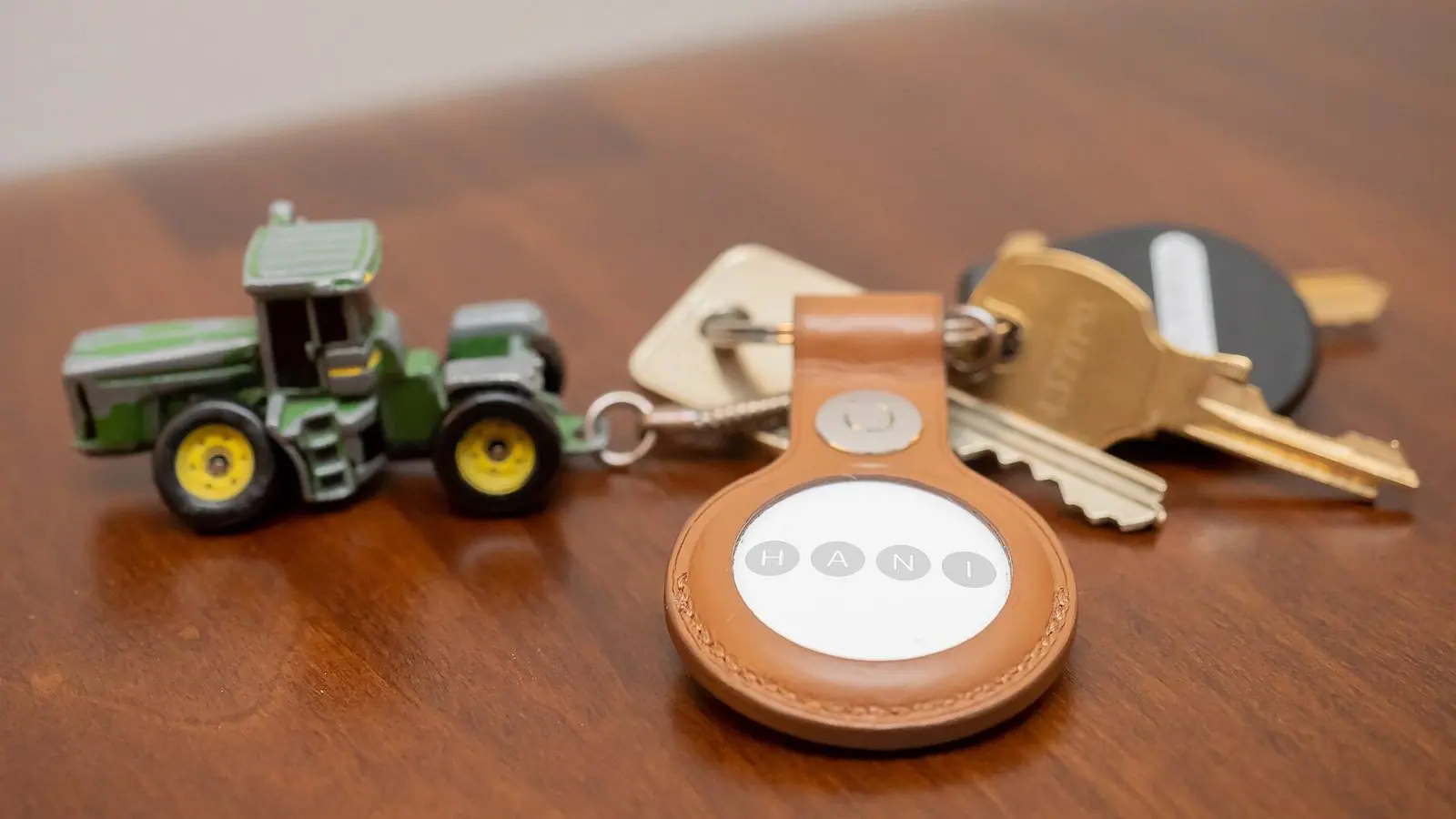
Google's Pixel Tag goes on sale for $29.99, taking on Apple's AirTag
The Google Pixel Tag goes on sale Nov. 11 for $29.99, or $99.99 for four. What the Android tracker does, which phones work and how it compares to AirTag.
Xbox says Project Helix is a console that plays PC games, not a PC
Microsoft's Jason Ronald used the Xbox 25th anniversary magazine to explain how the next Xbox will handle PC games. What's confirmed, and what's still rumor.
Italy fines Meta $887 million over Facebook's Android photo access
Italy fines Meta €805 million ($887 million) over a Facebook Android feature that read users' photo galleries without specific consent. What it means for you.
Microsoft outage knocks out Outlook and Teams for a second day worldwide
The Microsoft outage hitting Outlook, Teams and Copilot has stretched into Friday. What Microsoft says about the cause, the fix and when email returns.
Ring's indoor drone camera will cost $250 and still needs FCC approval
The Ring drone camera costs $249.99 and ships Jan. 27, 2027, pending FCC approval. How the indoor security drone flies, what it needs and the $1,000 Rover Cam.
Trending now
News ·
Florida flooding moves to Brevard County, where forecasters issue a rare Level 4 riskMoney ·
Intuit sells Mailchimp to Bending Spoons for $3.68 billion, a third of what it paidNews ·
Sean Cairncross, Trump's national cyber director, is stepping down amid a wave of outagesNews ·
Trump pardons Pete Rose, baseball's hit king, more than two years after his deathNews ·
Fiona the hippo dies at the Cincinnati Zoo days after swallowing a visitor's hat