Intuit sells Mailchimp to Bending Spoons for $3.68 billion, a third of what it paid
Intuit agreed to sell Mailchimp for $3.68 billion, five years after paying $12 billion, and its shares fell after hours. What it means for Mailchimp users.
What happened
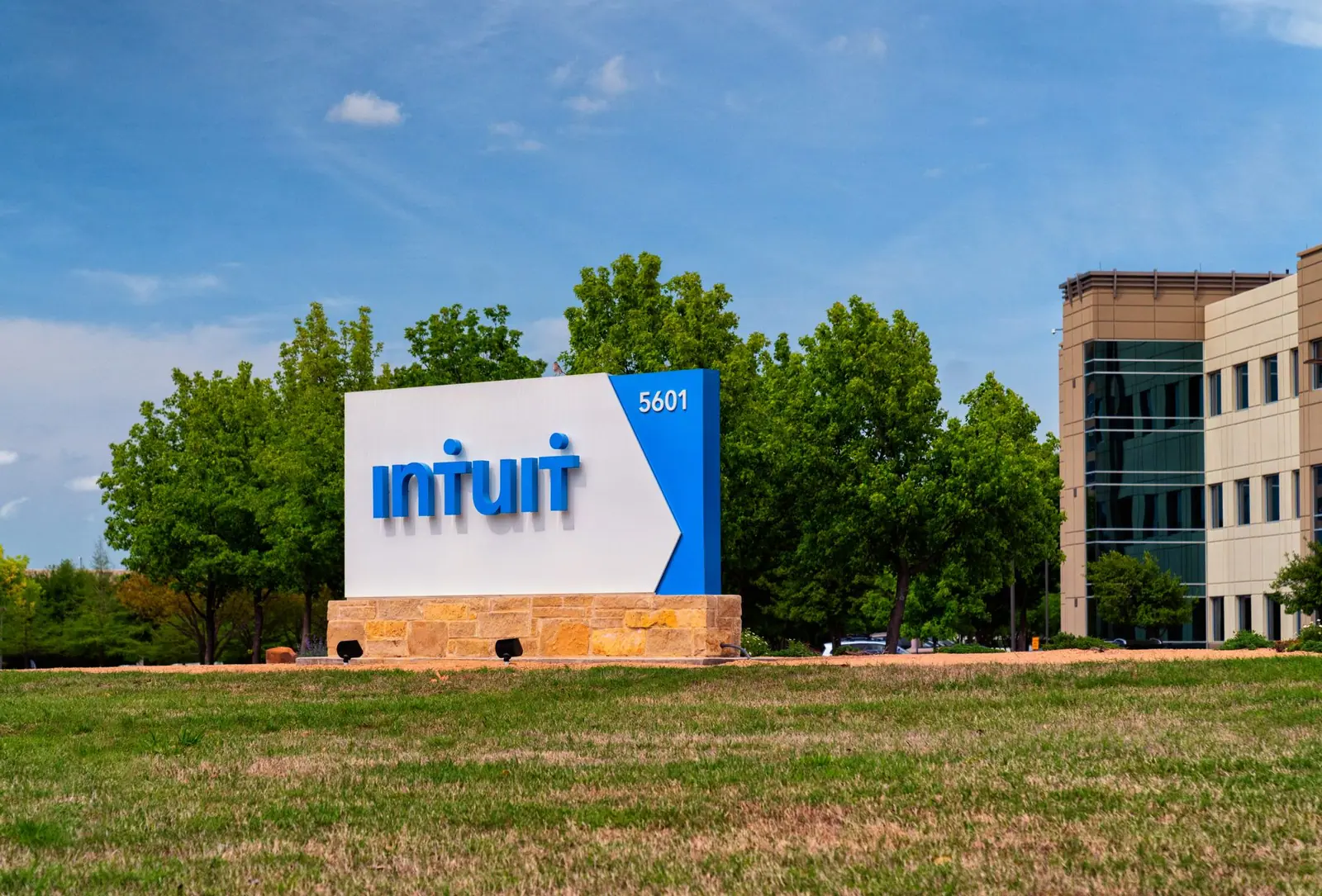
Intuit, the maker of TurboTax and QuickBooks, said Thursday, Nov. 19, 2026, that it agreed to sell Mailchimp to Bending Spoons for about $3.68 billion. It bought the email marketing company for $12 billion in 2021. Intuit stock fell 10% to 15% in extended trading as the company also trimmed its full-year revenue forecast. The deal is expected to close in early 2027.
Key takeaways
- Intuit says the price breaks down to $3.31 billion in cash and $368 million in Bending Spoons stock, and it plans to spend the cash on buying back its own shares.
- Mailchimp revenue slipped 1% to $313 million last quarter, while Intuit's total revenue grew 12% to $4.35 billion, according to CNBC.
- Bending Spoons, which also owns Evernote, Vimeo, WeTransfer, AOL and Eventbrite, says it will invest substantially in Mailchimp after the deal closes.
In this article
Last updated: Thursday, Nov. 19, 2026, 7:50 p.m. ET. This is a developing story. We'll update it as Intuit stock trades Friday and as more details on the deal come out.
Five years ago Intuit paid $12 billion for Mailchimp, the email marketing service with the winking chimp logo. On Thursday it agreed to sell it for about $3.68 billion.
The buyer is Bending Spoons, the Italian company that has spent the last few years picking up well-known tech brands, often at a steep discount. Intuit announced the sale at 4 p.m. Eastern in the same press release as its quarterly earnings, and investors didn't like the package. Intuit shares were down 10% after the bell, Reuters reported, and CNBC later put the extended-trading drop at 15%. Bending Spoons shares rose 3%, per Reuters.
Read also: CoreWeave stock jumps after third-quarter revenue soars 168% · Palantir's third-quarter revenue jumps 96%, and the company raises its outlook · Eli Lilly beats estimates and raises 2026 sales guidance to $91-92 billion
Intuit's Mailchimp sale, by the numbers
Intuit describes the price as $3.31 billion in cash plus $368 million in Bending Spoons stock. Bending Spoons frames it a little differently in its own announcement: an all-cash deal at an enterprise value of $3.68 billion, with Intuit putting $368 million of its proceeds back into newly issued Bending Spoons shares. Either way, Intuit ends up with a small stake in the new owner.
The deal is expected to close in early 2027. It still needs regulatory approvals and the usual closing conditions. Bending Spoons said its board approved it unanimously.
Intuit said it will use the cash to buy back its own stock during fiscal 2027, after the sale closes. The Mailchimp purchase in 2021 was Intuit's largest deal ever, Reuters noted, so the loss on paper is hard to miss.
Why Intuit stock is falling
The Mailchimp news wasn't the only thing in the release. The quarter itself was fine. Intuit reported adjusted earnings of $2.91 a share on $4.35 billion in revenue for the three months ended Oct. 31, CNBC said, beating the $2.70 and $4.31 billion analysts polled by LSEG expected. Revenue rose 12% from a year earlier.
The problem was the outlook. Intuit cut its full-year revenue forecast to between $23.081 billion and $23.365 billion, or 8% to 9% growth. Reuters said the prior forecast was 9% to 10%. Analysts polled by LSEG had expected $23.43 billion, according to CNBC.
Intuit blamed Credit Karma, its personal finance app. Reuters reported that Credit Karma has fallen short of expectations as higher interest rates weighed on growth and consumer behavior shifted faster than the company planned. Intuit now expects Credit Karma revenue to grow 3% to 7% this fiscal year. It kept its profit and earnings-per-share targets, with adjusted EPS of $22.88 to $23.12.
Mailchimp itself has been shrinking a bit. Its revenue fell 1% to $313 million in the quarter, and Intuit expects $1.256 billion to $1.266 billion for the full year, down 1% to flat. In August, CNBC reported, Intuit began reporting Mailchimp as its own segment, and finance chief Sandeep Aujla said higher effective prices were expected to offset more customers leaving.
Who is Bending Spoons?
Bending Spoons is based in Milan and calls itself a company that buys digital businesses and then reworks them. Its main brands, per its announcement, include Airtable, AOL, Brightcove, Eventbrite, Evernote, Miro, Tractive, Vimeo and WeTransfer. CNBC said it bought Airtable in September for 10% of what that startup was once valued at.
Berkshire Hathaway invested $600 million in Bending Spoons when it went public in July and another $330 million in October, according to CNBC.
The company is open about how it runs what it buys. Its press release says the transformation "is typically deep and entails reorganizing teams, overhauling technology, redesigning user interfaces," along with changes to marketing and monetization.
What the sale means for Mailchimp users
For now, nothing changes. Mailchimp stays with Intuit until the deal closes, and neither company has announced changes to plans, prices or accounts.
"After closing, we'll invest substantially in the business, building on the powerful, easy-to-use tools customers already value and rely on," Bending Spoons CEO Luca Ferrari said. Intuit senior vice president Jack Tam said the company is "focused on ensuring a smooth transition for Mailchimp's customers, partners, and employees."
What's not known yet: whether Bending Spoons plans layoffs at Mailchimp's Atlanta-based team, how pricing might change after 2027, and whether regulators will raise any questions. We'll add those details if the companies share them.
If you're tracking the broader tech market this week, see our coverage of Anthropic's Nasdaq debut and AMD's drop after a short seller's report. None of this is investment advice.
Frequently asked questions
- Who bought Mailchimp?
- Bending Spoons, a Milan-based company that buys and runs digital businesses, agreed on Nov. 19, 2026, to buy Mailchimp from Intuit for an enterprise value of about $3.68 billion. Its other brands include Evernote, Vimeo, WeTransfer, AOL, Eventbrite and Airtable.
- Why is Intuit stock down?
- Intuit shares fell 10% after the bell, per Reuters, and as much as 15% in extended trading, per CNBC, after the company cut its full-year revenue forecast because of weaker results at Credit Karma and announced it was selling Mailchimp for about a third of what it paid.
- Will Mailchimp change for users?
- Not yet. The sale isn't expected to close until early 2027 and still needs regulatory approval. Neither company has announced changes to Mailchimp plans or pricing, and Intuit says it's focused on a smooth transition for customers.
- How much did Intuit pay for Mailchimp?
- Intuit paid $12 billion for Mailchimp in 2021, its largest deal ever, according to Reuters. The $3.68 billion sale price is less than a third of that.
Sources
- Intuit Reports First-Quarter Results and Enters Agreement to Sell Mailchimp to Bending Spoons · Intuit, Nov. 19, 2026
- Bending Spoons has entered into a definitive agreement to acquire Mailchimp · Bending Spoons, Nov. 19, 2026
- Intuit to sell Mailchimp to Bending Spoons for $3.68 billion · CNBC, Nov. 19, 2026
- Intuit to sell Mailchimp at about a third of its 2021 purchase price, shares slump · Reuters, via Investing.com, Nov. 19, 2026
Tags
- #Intuit Mailchimp sale
- #Bending Spoons Mailchimp
- #Intuit stock
- #Mailchimp
- #Intuit earnings
- #Bending Spoons
About the author
Founder and editor
Marcia Reid is the founder and editor of TrendCanopy, where she reviews and edits every story.
Spotted an error? Read our corrections policy or contact us. Last reviewed November 19, 2026.
Related stories
CoreWeave stock jumps after third-quarter revenue soars 168%
CoreWeave earnings beat forecasts as Q3 revenue hit $3.66 billion and backlog reached $132.5 billion. Why CRWV stock jumped and what still worries investors.

Palantir's third-quarter revenue jumps 96%, and the company raises its outlook
Palantir's third-quarter revenue rose 96% to $2.31 billion, with adjusted EPS of 44 cents and a higher full-year forecast. Numbers and what to watch.
Eli Lilly beats estimates and raises 2026 sales guidance to $91-92 billion
Eli Lilly's Q3 2026 earnings beat estimates on $24.4 billion in revenue, and Lilly raised its 2026 sales outlook to $91-92 billion. What moved LLY stock.
Nvidia board says Jensen Huang won't return as CEO, even as earnings beat forecasts
Nvidia's chairman said the board won't reinstate Jensen Huang, hours after Huang offered to come back. Revenue hit $115.8 billion and shares rose late.

Warren Buffett gives away $5.5 billion in Berkshire stock and says kindness compounds
Warren Buffett's Thanksgiving gift to four family foundations is about four times last year's. Here's who gets the shares and how much he still owns.

Nvidia stock falls again as Jensen Huang weighs a comeback before earnings
Nvidia shares slid premarket Monday after a report that ousted CEO Jensen Huang has discussed returning. Here's what it means for Tuesday's earnings and AI stocks.
Trending now
Tech ·
Google takes Android developer verification global in January, limiting sideloadingNews ·
Florida flooding moves to Brevard County, where forecasters issue a rare Level 4 riskNews ·
Sean Cairncross, Trump's national cyber director, is stepping down amid a wave of outagesNews ·
Trump pardons Pete Rose, baseball's hit king, more than two years after his deathNews ·
Fiona the hippo dies at the Cincinnati Zoo days after swallowing a visitor's hat