Ozempic Blindness Warning: FDA Adds NAION Risk to All GLP-1s
The FDA's new Ozempic blindness warning covers every GLP-1, from Wegovy to Zepbound. What NAION is, how rare it is, and the symptoms to watch for.
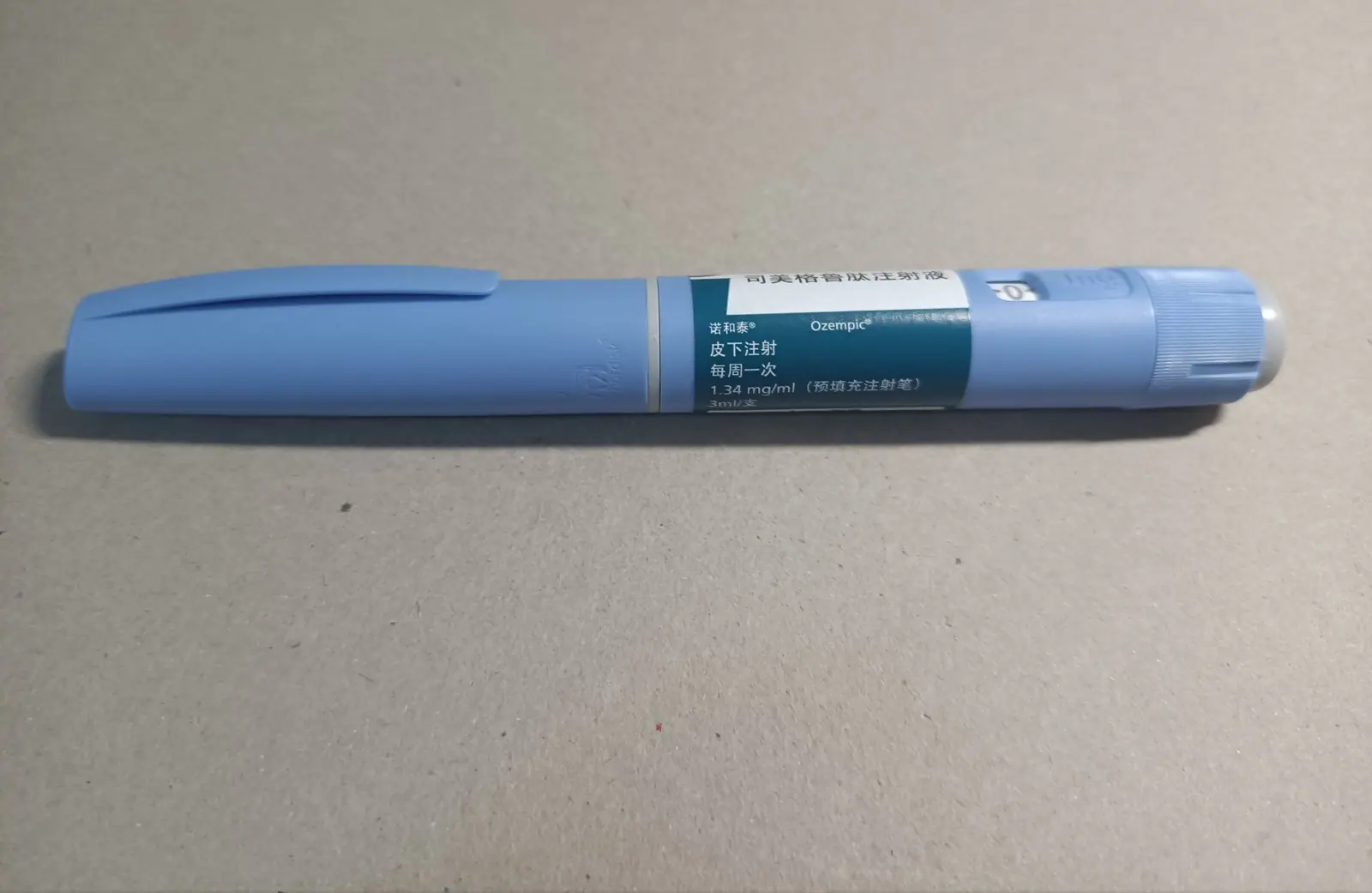
What happened
The FDA said Monday, Nov. 9, 2026, that every GLP-1 drug sold in the U.S., including Ozempic, Wegovy, Mounjaro, Zepbound and the new Foundayo pill, must add a warning about NAION, a rare optic nerve condition that can cause sudden and sometimes permanent vision loss in one eye. The agency calls the risk potential, not proven. Patients are told to call a doctor right away about any sudden change in vision.
Key takeaways
- In an FDA analysis of 126 clinical trials, GLP-1 users had 6.4 NAION cases per 100,000 patient-years, compared with 3.8 on placebo.
- The warning goes in the Warnings and Precautions section of the label, not the boxed warning reserved for thyroid tumor risk.
- The FDA's review was set off by a July 2024 JAMA Ophthalmology study of semaglutide patients.
In this article
More than two years after a Boston eye study raised the question, the Food and Drug Administration has answered it, carefully. On Monday the agency ordered the makers of every GLP-1 drug sold in the U.S. to warn that the medicines may raise the risk of a rare condition that can take away vision in one eye.
The condition is called NAION, and the order reaches far beyond Ozempic. It covers Wegovy, Mounjaro, Zepbound, Rybelsus, Trulicity, Victoza, Saxenda and Eli Lilly's new Foundayo pill, along with older diabetes drugs in the same family, according to the FDA's drug safety communication.
What the FDA's Ozempic blindness warning says
The FDA is requiring all GLP-1 drugmakers to add a potential increased risk of NAION to the Warnings and Precautions section of their labels. The agency said cases of the eye condition have been reported with every GLP-1 product currently on the market.
The wording matters. The FDA says "potential," and it says the risk is rare. Its own scientists could not find a biological mechanism in animal data that would explain how these drugs might damage the optic nerve. What tipped the decision was a pattern that kept showing up across several kinds of human data.
Spokespeople for Novo Nordisk, which makes Ozempic and Wegovy, and Lilly, which makes Mounjaro, Zepbound and Foundayo, both told NBC News that patient safety is their top priority.
What is NAION?
NAION stands for non-arteritic anterior ischemic optic neuropathy. In plain terms, blood flow to the front of the optic nerve, the cable that carries signals from the eye to the brain, drops off, and the nerve is damaged.
It usually hits one eye at a time, and it doesn't hurt. Many people first notice it when they wake up. The FDA says the risk factors include smoking, diabetes, high blood pressure, sleep apnea, anemia and kidney disease. That overlap is a big reason the question has been so hard to settle: many people prescribed GLP-1s already carry several of those risks.
There is no proven treatment, and lost vision often doesn't come back. Someone who has had NAION in one eye is also more likely to get it in the other.
Symptoms of NAION to watch for
The FDA's list for patients:
- Sudden, painless vision loss in one eye, often noticed on waking
- Blurred or missing parts of the visual field, such as blind spots or tunnel vision
- Colors that look distorted or washed out
- Hazy or blurry spots in the center of vision
The agency's advice is simple: call a health care professional right away. Doctors are told to send anyone with suspected NAION to an ophthalmologist promptly.
How rare is the eye risk on GLP-1 drugs?
Very rare, by the FDA's numbers. The agency pooled 126 randomized trials involving more than 134,000 patients. Across all of them it found just 15 probable NAION cases: 10 among people taking a GLP-1 and 5 among people on placebo.
That works out to 6.4 cases per 100,000 patient-years on the drugs and 3.8 per 100,000 on the comparison treatments. Put another way, the gap is about 2.6 extra cases for every 100,000 years of patient use. For context, the FDA cites published estimates that NAION strikes 2.3 to 10.2 of every 100,000 adults over 50 each year, with or without these drugs.
The agency also ran its own study in Sentinel, a federal database of insurance records, on adults with Type 2 diabetes who started a new medicine between 2019 and 2024. The results were mixed:
| Comparison | What the FDA found |
|---|---|
| GLP-1 vs. SGLT-2 drugs (such as Jardiance) | No statistically significant difference |
| GLP-1 vs. DPP-4 drugs (such as Januvia) | About 43% higher risk with GLP-1s |
| NAION rate on GLP-1s in that study | 30 to 32 cases per 100,000 patient-years |
Rates in that real-world group ran far higher than in the trials for every drug, including the comparison drugs, a reminder that diabetes itself is a risk factor. The FDA said the most rigorous outside studies pointed the same direction its own work did.
Where this started
The review traces back to a July 2024 paper in JAMA Ophthalmology by researchers at Massachusetts Eye and Ear. NBC News reported that it found diabetes patients prescribed semaglutide were about four times as likely to develop NAION as those who weren't. The FDA said it saw several limits in that study but decided the signal needed a closer look.
Europe moved first. In June 2025, the European Medicines Agency's safety committee concluded that NAION is a very rare side effect of semaglutide, possibly affecting up to 1 in 10,000 people taking it, and asked for the labels there to say so. The FDA's action goes wider, covering the whole drug class.
Should you stop taking Ozempic or Zepbound?
The FDA does not tell patients to stop. It tells anyone who has already had NAION to talk with a doctor about whether to keep going. For prescribers, the guidance is to consider stopping the drug in a patient who develops NAION unless the benefits clearly outweigh the risk.
Dr. Manjot Gill, an ophthalmologist at Northwestern Medicine, told NBC News the warning was appropriate but stressed how uncommon the condition is. She said doctors don't want patients so worried that they quit their medication, and that the point is to get people to an eye doctor fast if their vision changes.
That's a real trade-off. GLP-1 drugs are approved not only for diabetes and weight loss but, for some products, to cut the risk of heart attack and stroke, slow kidney disease, and treat sleep apnea. Lilly's Foundayo sleep apnea results came out the same morning as the FDA's warning.
How this fits with the other GLP-1 warnings
The new language joins a list that was already long. NBC News noted the labels carry warnings for pancreatitis, gallbladder problems and kidney injury, and a boxed warning, the FDA's strongest, about a possible risk of thyroid tumors.
NAION won't get a box. It goes in the Warnings and Precautions section, the same tier as those other side effects. Patients may see it in updated medication guides once the companies revise their labels.
The FDA did not say Monday how long the companies have to make the change. Anyone who wants to report a vision problem tied to one of these drugs can file a report with the agency's MedWatch program or call 1-800-332-1088.
For the millions of Americans on a weekly shot or a daily pill, the practical message is narrow. The odds of this problem are low. But if one eye suddenly goes dim or blurry, especially first thing in the morning, that is a same-day phone call to a doctor, not something to wait out.
Frequently asked questions
- Does Ozempic cause blindness?
- Not in most people, and cause hasn't been proven. The FDA says GLP-1 drugs, including Ozempic, carry a potential increased risk of NAION, a rare condition that can cause sudden, sometimes permanent vision loss in one eye. In its trial analysis, the rate was 6.4 cases per 100,000 patient-years on GLP-1s versus 3.8 on placebo.
- What is NAION?
- NAION, short for non-arteritic anterior ischemic optic neuropathy, happens when blood flow to the front of the optic nerve drops. It usually causes painless vision loss in one eye, often noticed on waking. The American Academy of Ophthalmology says it affects up to 10 in 100,000 people over 50, and there is no proven treatment.
- Which GLP-1 drugs have the new eye warning?
- All of them. The FDA's list covers Ozempic, Wegovy and Rybelsus (semaglutide), Mounjaro and Zepbound (tirzepatide), Foundayo (orforglipron), Victoza and Saxenda (liraglutide), Trulicity (dulaglutide), Xultophy, Soliqua and generic exenatide. The agency said NAION cases have been reported with every GLP-1 currently on the market.
- Should I stop taking Ozempic because of the eye warning?
- Not on your own. The FDA tells patients to contact a health care professional right away about sudden vision changes, and to talk with their doctor about whether to keep taking the drug if they have had NAION. Ophthalmologists quoted Monday said the risk is very small and patients shouldn't quit in a panic.
- What are the symptoms of NAION?
- The FDA lists sudden, painless vision loss in one eye, often noticed after waking; blurry or missing patches of vision, such as blind spots or tunnel vision; colors that look washed out or distorted; and hazy central vision. Anyone on a GLP-1 who notices these should call a doctor the same day.
Sources
- FDA Requires Safety Labeling Changes for Glucagon-Like Peptide-1 Receptor Agonists (GLP-1 RAs) Due to Potential Increased Risk of Rare But Serious Eye Condition · U.S. Food and Drug Administration, Nov. 9, 2026
- FDA orders new warning on GLP-1s over rare eye condition linked to sudden blindness · NBC News, Nov. 9, 2026
- FDA adds rare vision-loss warning to popular GLP-1 drugs · Associated Press, Nov. 9, 2026
- FDA Requires Class-Wide GLP-1 RA Labeling Changes for Potential NAION Risk · Pharmacy Times, Nov. 9, 2026
- Meeting highlights from the Pharmacovigilance Risk Assessment Committee (PRAC) 2-5 June 2025 · European Medicines Agency, June 6, 2025
About the author
Founder and editor
Marcia Reid is the founder and editor of TrendCanopy, where she reviews and edits every story.
Spotted an error? Read our corrections policy or contact us. Last reviewed November 9, 2026.
Related stories
Foundayo Sleep Apnea Results: Lilly's Pill Cuts Episodes 44%
Foundayo sleep apnea trial results: Lilly's GLP-1 pill cut breathing interruptions up to 44% in a year-long study. FDA filing timing and how it compares.
Toothpaste Recall 2026: Brush Buddies, Evo and ARU Tubes
More than 4.3 million tubes of Brush Buddies, Evo and ARU toothpaste are in an FDA Class II recall. The full product list and what to do if you have one.
mRNA Melanoma Vaccine Cuts Recurrence Risk 42% in Trial
Merck and Moderna's personalized mRNA melanoma vaccine, intismeran, cut recurrence or death by 42% in a Phase 3 trial. What the data show and what's next.
Energy Drinks and Cardiac Arrest in Young Adults: What the New Study Found
A new study ties energy drinks to cardiac arrest and heart attack reports in young adults. What the FDA data shows, its limits and how much caffeine is safe.
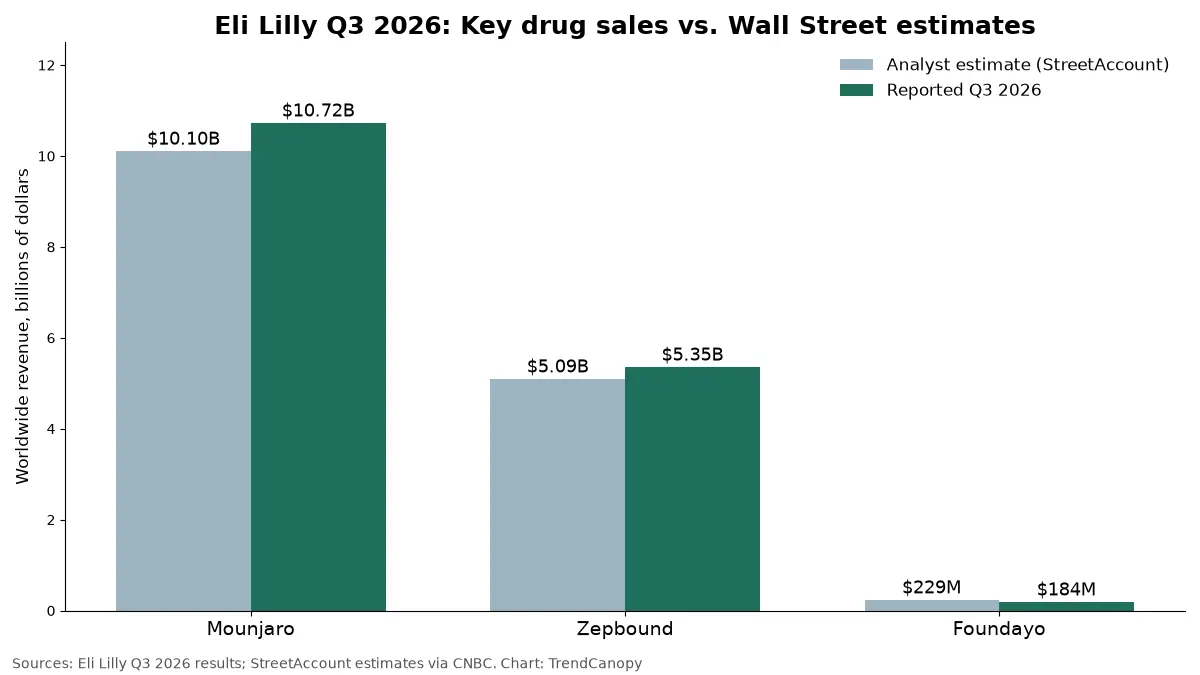
Eli Lilly Earnings Q3 2026: LLY Stock, Zepbound and Guidance
Eli Lilly's Q3 2026 earnings beat estimates on $24.4 billion in revenue, and Lilly raised its 2026 sales outlook to $91-92 billion. What moved LLY stock.
Brooklyn Building Collapse Death Toll Rises to 8 on Flatbush Avenue
The Brooklyn building collapse death toll rose to 8 Thursday, with 17 hurt, Mayor Mamdani said. What we know about the Flatbush site, victims and the cause.