Two planes collide on a Miami taxiway, leaving two people hurt
A Copa 737 with 172 people aboard clipped a UPS 767 cargo plane on a Miami taxiway Saturday night. What the FAA says, the ATC audio and who was hurt.
What happened
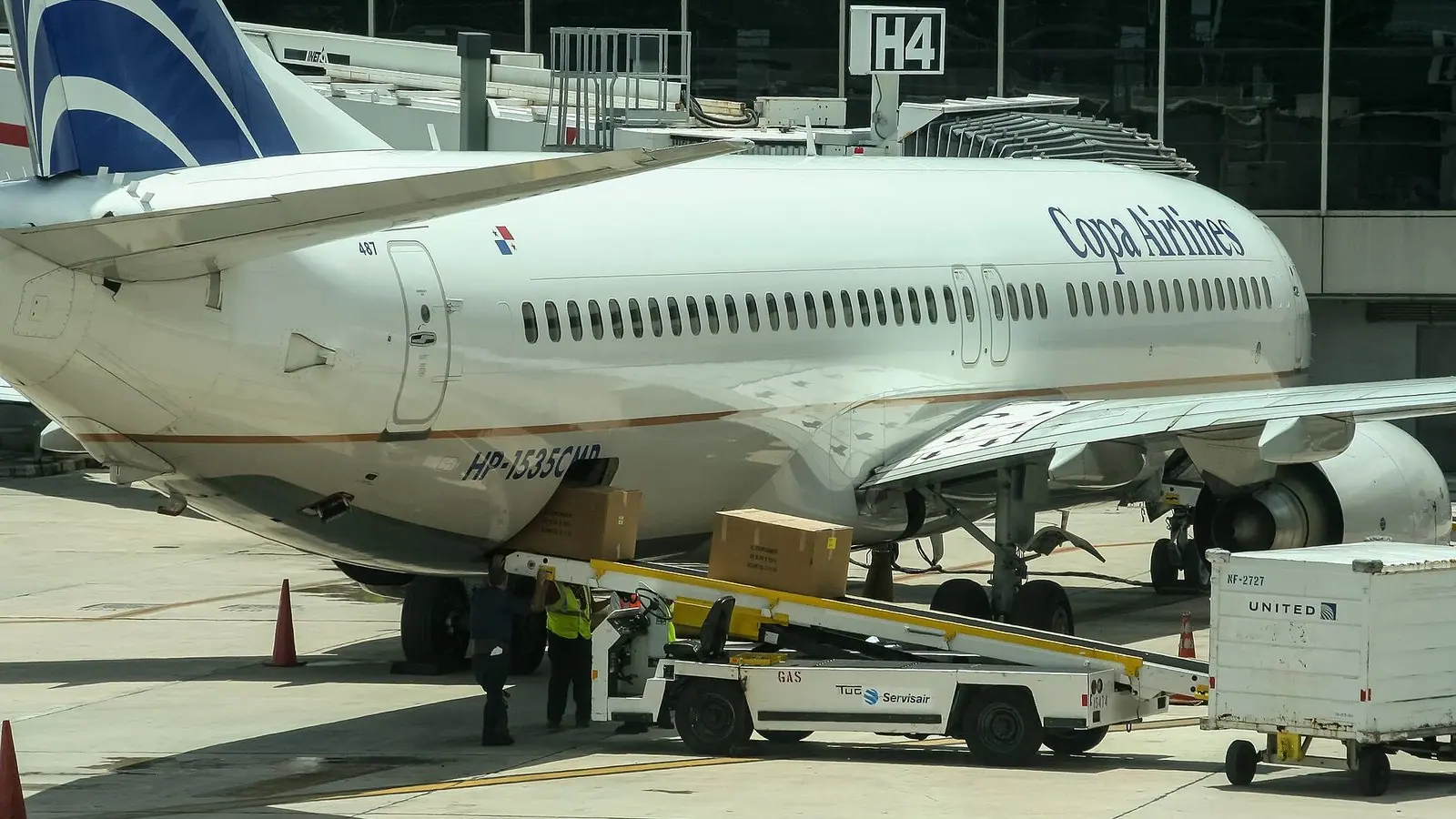
A Copa Airlines Boeing 737 carrying 172 people and a UPS Boeing 767 cargo plane collided at a taxiway intersection at Miami International Airport around 9:15 p.m. Saturday, Nov. 14, 2026. The Copa jet's left wingtip struck the nose of the UPS freighter. Two Copa passengers were treated at the scene for minor injuries and nobody went to a hospital. The FAA says controllers had told the UPS crew to give way to the Copa flight, and it is investigating.
Key takeaways
- The Copa jet was Flight 427, arriving from Panama City; the UPS plane was Flight 358, heading out to Bogotá, Colombia.
- On air traffic control audio, a UPS pilot said, "we went too far," and the Copa crew reported its left wingtip missing.
- The airport moved traffic to other taxiways and said operations weren't affected.
- It happened one day after the FAA's nationwide ground stop.
In this article
A Copa Airlines passenger jet and a UPS cargo plane ran into each other on the ground at Miami International Airport on Saturday night. Nobody was seriously hurt. But the radio calls that followed, and the timing, a day after the FAA halted departures at every U.S. airport, have made this one of the most searched aviation stories of the weekend.
Here's what officials have confirmed so far, and what they haven't.
What happened in the Miami airport collision
The Copa flight, a Boeing 737-800, had just landed from Panama City and was taxiing toward its gate. The UPS plane, a Boeing 767 freighter, was taxiing out for a flight to Bogotá, Colombia. The two met at the intersection of two taxiways around 9:15 p.m. local time on Saturday, Nov. 14, according to a statement from Miami International Airport's communications director, Greg Chin, quoted by CBS News Miami.
Read also: FAA lifts a nationwide ground stop after a communications outage grounds flights · A New Orleans tanker hits a cruise ship with 129 aboard on the Mississippi River · A Learjet crashes onto a road in Palm Beach County, killing all 9 aboard
The FAA said the wingtip of the Copa 737 struck the nose of the UPS 767. Copa described it the same way from its side: its aircraft's left wingtip and a cargo plane "came into contact while both aircraft were taxiing," the airline said in a statement reported by ABC News.
The flights were Copa Airlines Flight 427 from Panama City and UPS Flight 358 to Bogotá, CBS reported.
Photos published by news outlets show visible damage to the nose of the UPS freighter. Neither airline nor the FAA has described how badly either plane was damaged.
Who was on board, and how many were hurt
The Copa jet was carrying 166 passengers and six crew members, 172 people in all. Two passengers were checked by airport paramedics for what the airline called apparent minor injuries. Miami-Dade Fire Rescue treated them at the scene, and neither needed to go to a hospital, the airport's aviation department told Newsweek.
The 737 made it to the terminal afterward and everyone got off. Copa said the rest of its passengers and crew were in good condition.
UPS said its crew on the 767 was safe and that it would work with authorities to figure out what happened.
The ATC audio: "Somebody hit us"
Air traffic control recordings, posted by the audio site ATC.com and reported by CBS and Simple Flying, capture the moment fairly plainly.
A voice from the Copa cockpit reports, "Somebody hit us." The controller then asks UPS 358 whether it hit the other aircraft. The answer: yes, "we went too far," and the other plane "clipped us with the wing."
A little later, the Copa pilot tells the controller it seems the jet is missing its left wingtip. According to Simple Flying's review of the recording, one of the pilots also mentioned being in the middle of a checklist for a runway change. The recording doesn't make clear how, or whether, that played into what happened.
What caused the Miami airport collision?
The official answer is that nobody knows yet. The FAA is investigating.
What the FAA has said is specific, though. Controllers had told the UPS crew to give way to the Copa flight, the agency said. In plain terms, the 767 was supposed to hold short and let the arriving 737 pass through the intersection before it kept going toward the runway. The UPS pilot's own words on the radio, that the plane "went too far," line up with that account, but investigators will look at much more than a radio call: the taxi clearance, the airport's markings and lighting at that intersection, cockpit workload, and what each crew could see at night.
Taxiway collisions like this one tend to happen at low speed, which is why injuries are usually minor. They can still be expensive. A wingtip strike can take a jet out of service for repairs, and a nose hit on a freighter can damage the radome that houses its weather radar.
Is this connected to the FAA ground stop?
There's no sign of that. The nationwide ground stop on Friday, Nov. 13, came from a communications failure that Transportation Secretary Sean Duffy tied to contractor work on FAA phone lines. Nothing officials have said links that outage to a ground collision in Miami more than a day later.
The timing still matters to travelers. Airlines spent Saturday working through cancellations and repositioning crews after Friday's stop, and a weekend with two high-profile aviation problems has people asking whether flying is safe. Ground mishaps are a different category from the in-flight accidents that drive those fears, and in this case the system worked roughly as designed: fire crews arrived quickly and nobody was badly hurt.
Miami airport collision update: flights and travel
Miami International said it routed other flights onto different taxiways and that the collision had no impact on airport operations.
If you're flying through MIA, a few practical points:
- Check your own flight, not the airport. The two planes involved are out of service while the investigation runs, which could mean a swapped aircraft or a delay on a specific Copa or UPS route, but the airport itself is running.
- Copa connections through Panama are worth a second look. Copa runs a large hub in Panama City, and a missing aircraft can ripple into a later rotation.
- Know your refund rights. If an airline cancels your flight or delays it significantly and you choose not to fly, federal rules entitle you to a cash refund. We laid out how that works in our ground stop guide.
Holiday travel is about to get busy, and fares are already high. Our look at why holiday airfare hit a 10-year high covers what's behind the prices.
What happens next
The FAA's investigation will decide whether this is treated as a pilot deviation, meaning a crew didn't follow a controller's instruction. That would be the normal path if the agency's early account holds up. The National Transportation Safety Board decides on its own whether to open an investigation; it hadn't announced one in the reports we reviewed by Sunday afternoon.
Expect the next real detail to come from the FAA or from UPS, which hasn't said anything beyond confirming its crew is safe. Copa said it will cooperate with investigators.
It has been a strange week for collisions in slow traffic. On Friday a tanker hit a docked cruise ship with about 129 passengers aboard in New Orleans, on a stretch of the Mississippi where big vessels share tight, busy water. We'll add the FAA's findings here when they're out.
Frequently asked questions
- What happened at Miami airport last night?
- Two planes collided while taxiing at Miami International Airport around 9:15 p.m. Saturday, Nov. 14. The left wingtip of a Copa Airlines Boeing 737 arriving from Panama City hit the nose of a UPS Boeing 767 freighter that was leaving for Bogotá. It was a slow-speed ground collision, not a crash in flight.
- Was anyone killed in the Miami airport crash?
- No. Nobody died. Two passengers on the Copa flight were evaluated by Miami-Dade Fire Rescue for minor injuries and neither needed a trip to the hospital, according to the airport. The Copa jet had 166 passengers and six crew members. UPS says its own crew is safe.
- What did the pilot say in the Miami airport collision?
- On air traffic control audio, the Copa crew reported, "Somebody hit us." When the controller asked UPS 358 whether it had hit the other plane, a pilot answered that they had gone too far and the other jet clipped them with its wing. The Copa pilot later said the left wingtip appeared to be missing.
- Is Miami International Airport open after the collision?
- Yes. The airport said it sent other flights onto different taxiways and that the collision had no impact on airport operations. Travelers with Sunday flights should still check their airline's app for their own flight, since the two damaged planes are out of service while the FAA investigates.
Sources
- UPS cargo plane, Copa Airlines jet carrying 172 people collide while taxiing at Miami International Airport · CBS News Miami, Nov. 15, 2026
- UPS plane, Copa Airlines flight collide on taxiway at Miami International Airport · ABC News, Nov. 15, 2026
- 2 planes collide on the ground in Miami, only minor injuries reported · Associated Press, Nov. 15, 2026
- Two Planes Collide on Miami International Airport Taxiway · Newsweek, Nov. 15, 2026
- 'Somebody Hit Us': UPS Boeing 767 Collides With Copa 737 In Miami After Taxiing Too Far · Simple Flying, Nov. 15, 2026
Tags
- #Miami airport collision
- #Miami International Airport
- #Copa Airlines
- #UPS
- #FAA
- #plane collision
- #air traffic control
About the author
Founder and editor
Marcia Reid is the founder and editor of TrendCanopy, where she reviews and edits every story.
Spotted an error? Read our corrections policy or contact us. Last reviewed November 15, 2026.
Related stories
FAA lifts a nationwide ground stop after a communications outage grounds flights
The FAA nationwide ground stop has been lifted after a communications outage grounded U.S. flights for about four hours. What we know and your refund rights.

A New Orleans tanker hits a cruise ship with 129 aboard on the Mississippi River
A New Orleans tanker hit the docked cruise ship American Heritage on the Mississippi River with about 129 passengers aboard. What we know about the rescue.
A Learjet crashes onto a road in Palm Beach County, killing all 9 aboard
A Bahamas-bound Learjet 60 crashed in Palm Beach County, killing all 9 aboard. What the FAA and NTSB say, what the pilot radioed and the impact on the ground.
Ukraine strike brings down part of Russia's Crimean Bridge, cutting road traffic
A Ukrainian missile and drone attack collapsed a road arch on the Kerch Bridge to Crimea. What Zelenskyy, Russia and the Kremlin say, and why it matters.

California sues OpenAI, saying it lost control of AI agents at least 80 times
Rob Bonta's lawsuit ties the July Hugging Face attack to OpenAI's testing practices. See what California claims, what it wants and how OpenAI responded.
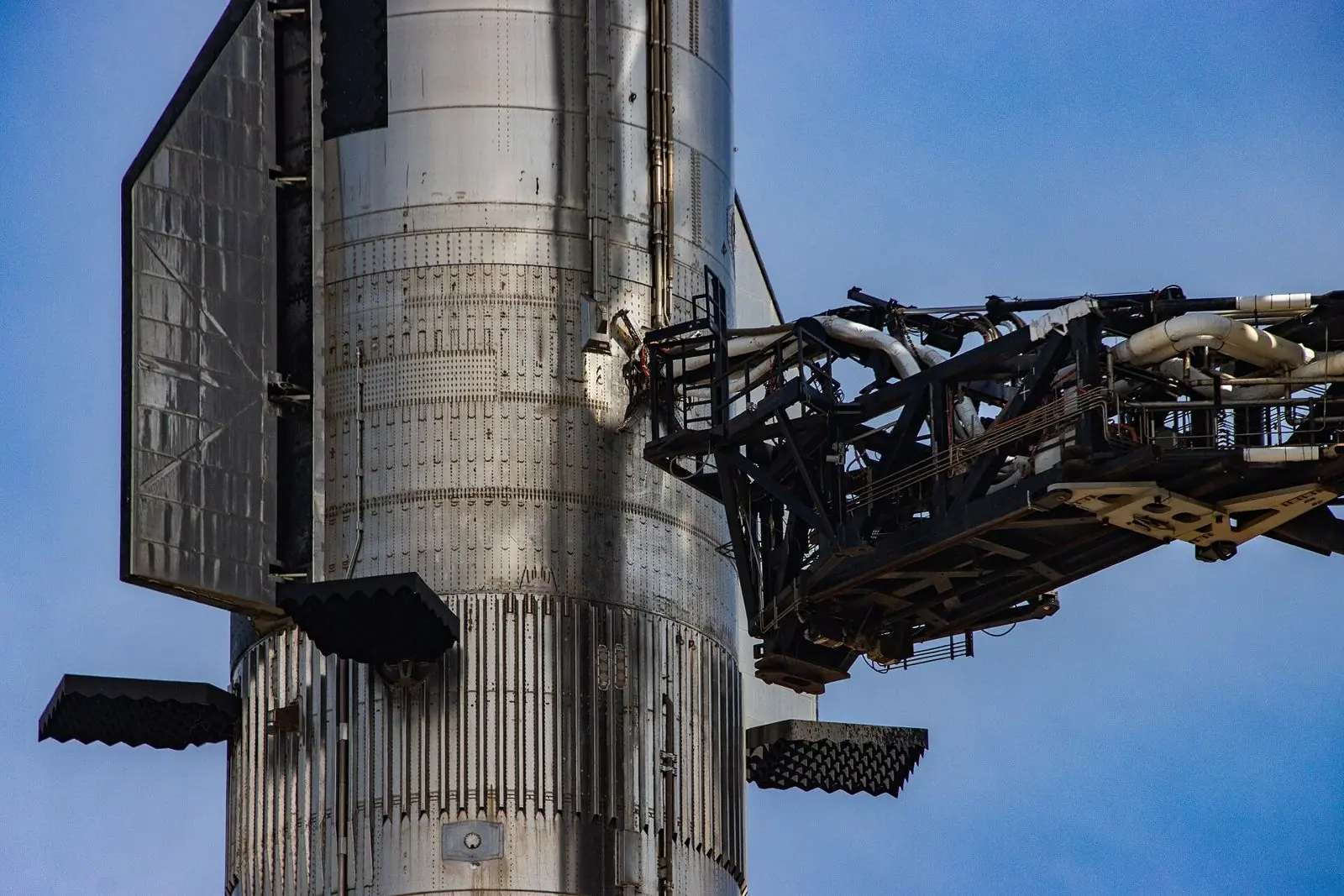
SpaceX catches a Starship at the tower for the first time after 14 orbits
SpaceX caught Starship's upper stage at the Starbase tower Saturday after 14 orbits, a first. The Flight 15 booster catch failed Friday.
Trending now
News ·
House Democrats pick Hakeem Jeffries for speaker, putting him in line to make historyTech ·
GTA 6 reviews give Rockstar a 99 on Metacritic, tying Zelda's all-time recordNews ·
Florida flooding closes Broward schools after 15 inches of rain hits HollywoodEntertainment ·
Kevin Feige says Marvel was swapping Kang for Doom before Jonathan Majors was firedMoney ·
Anthropic prices its IPO at $83 a share, valuing the Claude maker at $1.5 trillion