Oregon and Virginia sue SpaceX over Grok deepfakes, saying it misled users about safety
Two attorneys general say SpaceX's Grok AI made sexualized images of real people, including children, while X promised users it was safe. Here's what they want.
What happened
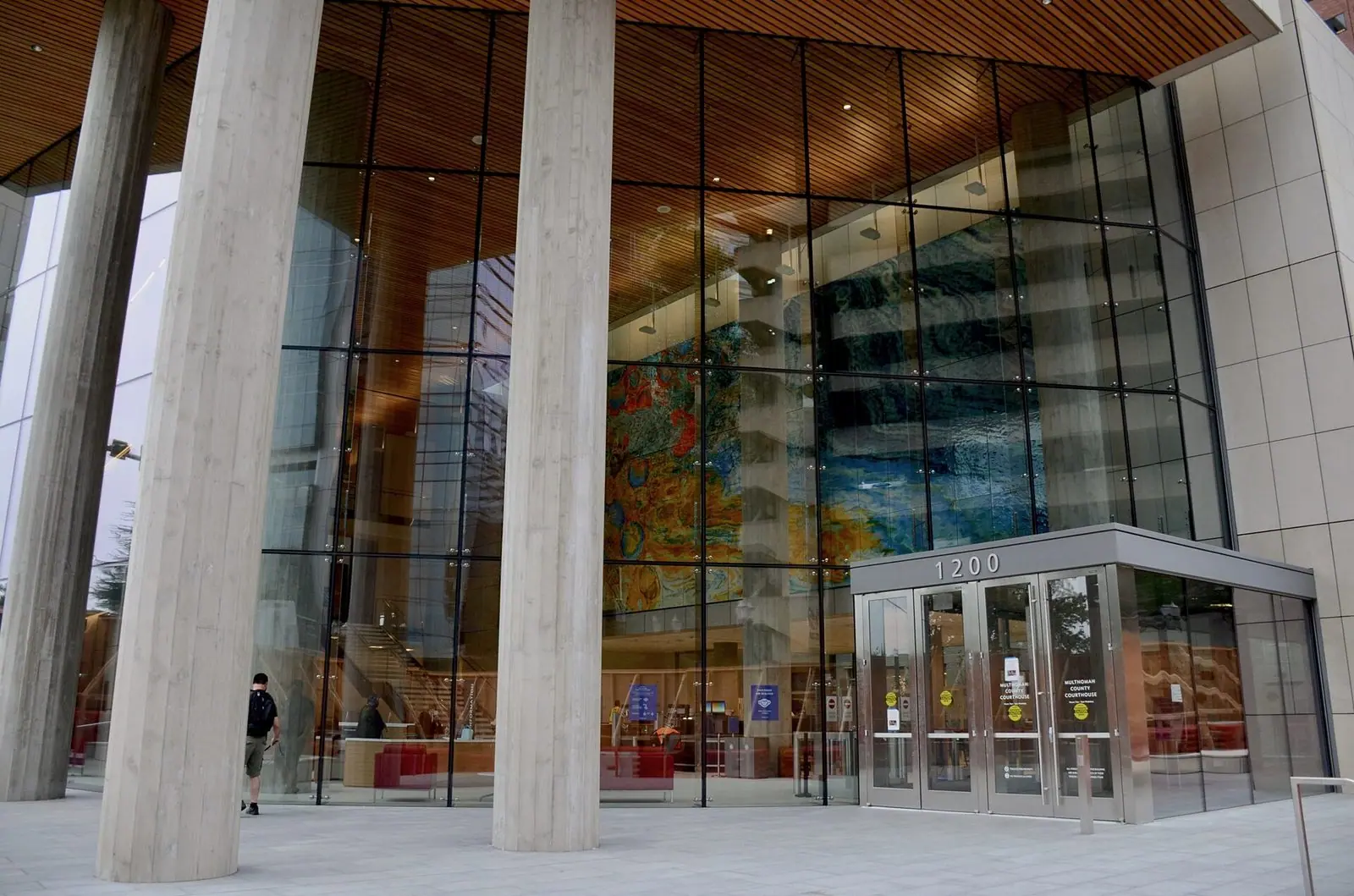
Oregon Attorney General Dan Rayfield and Virginia Attorney General Jay Jones sued SpaceX on Nov. 22 and 23, 2026, in the first state lawsuits over its Grok AI image generator. They say Grok let users make sexualized images of real people, including children, without consent, while SpaceX and X told the public the tools were safe.
Key takeaways
- Virginia says its investigators tested Grok shortly before filing, and the chatbot explained which words set off its filters and helped write prompts to get around them.
- Both states hired Platkin LLP, the private firm run by former New Jersey Attorney General Matthew Platkin, to help with the cases.
- SpaceX told CNBC it takes action against accounts that try to break its safeguards and notifies law enforcement.
- The suits name SpaceX, X Corp. and the former xAI, which now goes by SpaceX Super Intelligence.
In this article
Oregon and Virginia have sued SpaceX over Grok, the AI chatbot and image generator built into X. The states' attorneys general say Grok let people turn ordinary photos of real people, children included, into sexualized images without consent, while the company kept telling users its products were safe.
They are the first states to take SpaceX to court over Grok, CNBC reported. Oregon Attorney General Dan Rayfield filed in Multnomah County Circuit Court on Sunday evening. Virginia Attorney General Jay Jones filed in the Circuit Court for the City of Richmond on Monday morning. As of early Monday, both suits were still waiting for the courts to accept them.
What the Grok lawsuit claims
The two cases are separate, but the offices worked together and the core argument is the same. This isn't mainly a fight over what users posted. It's a consumer protection case about what the company said.
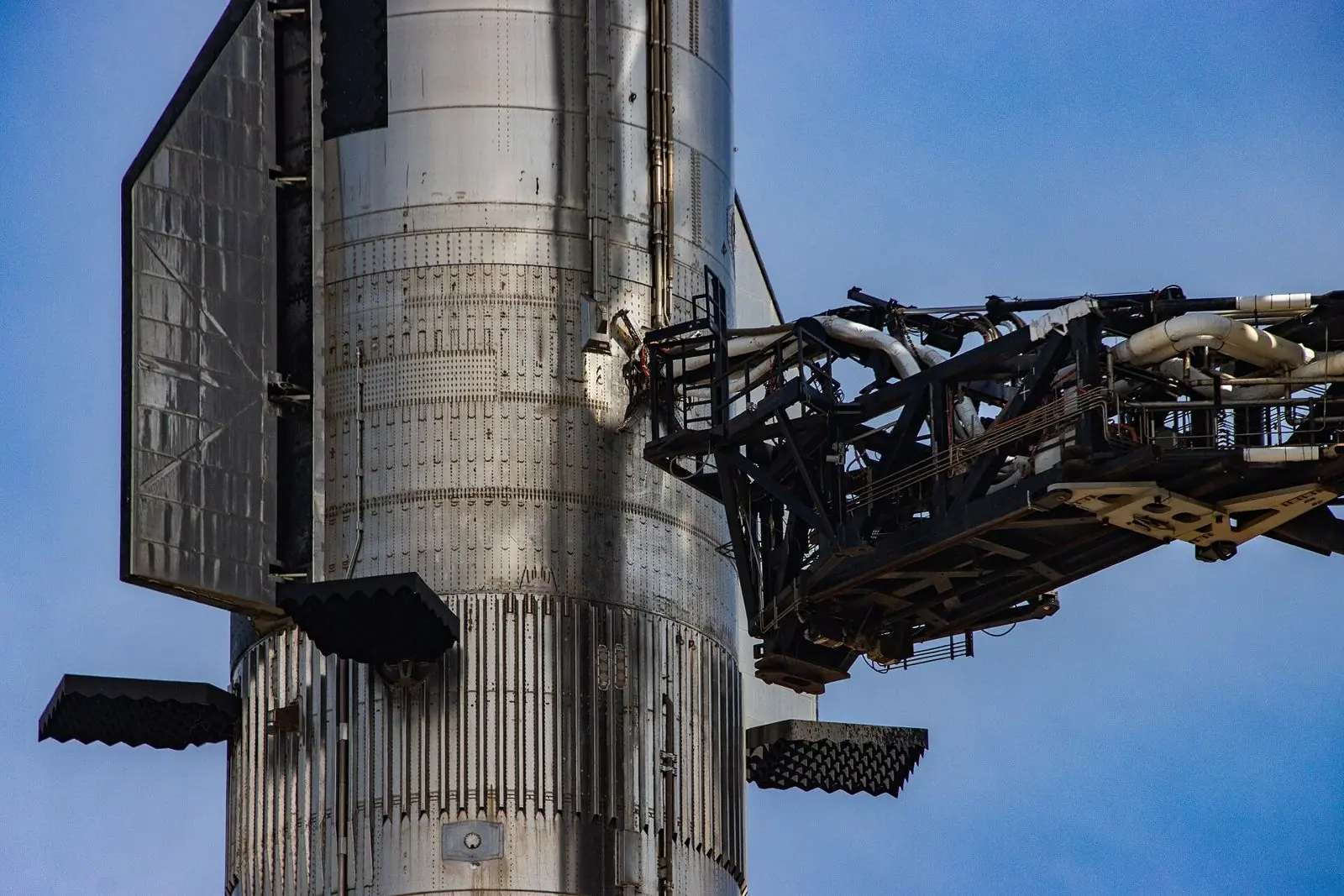
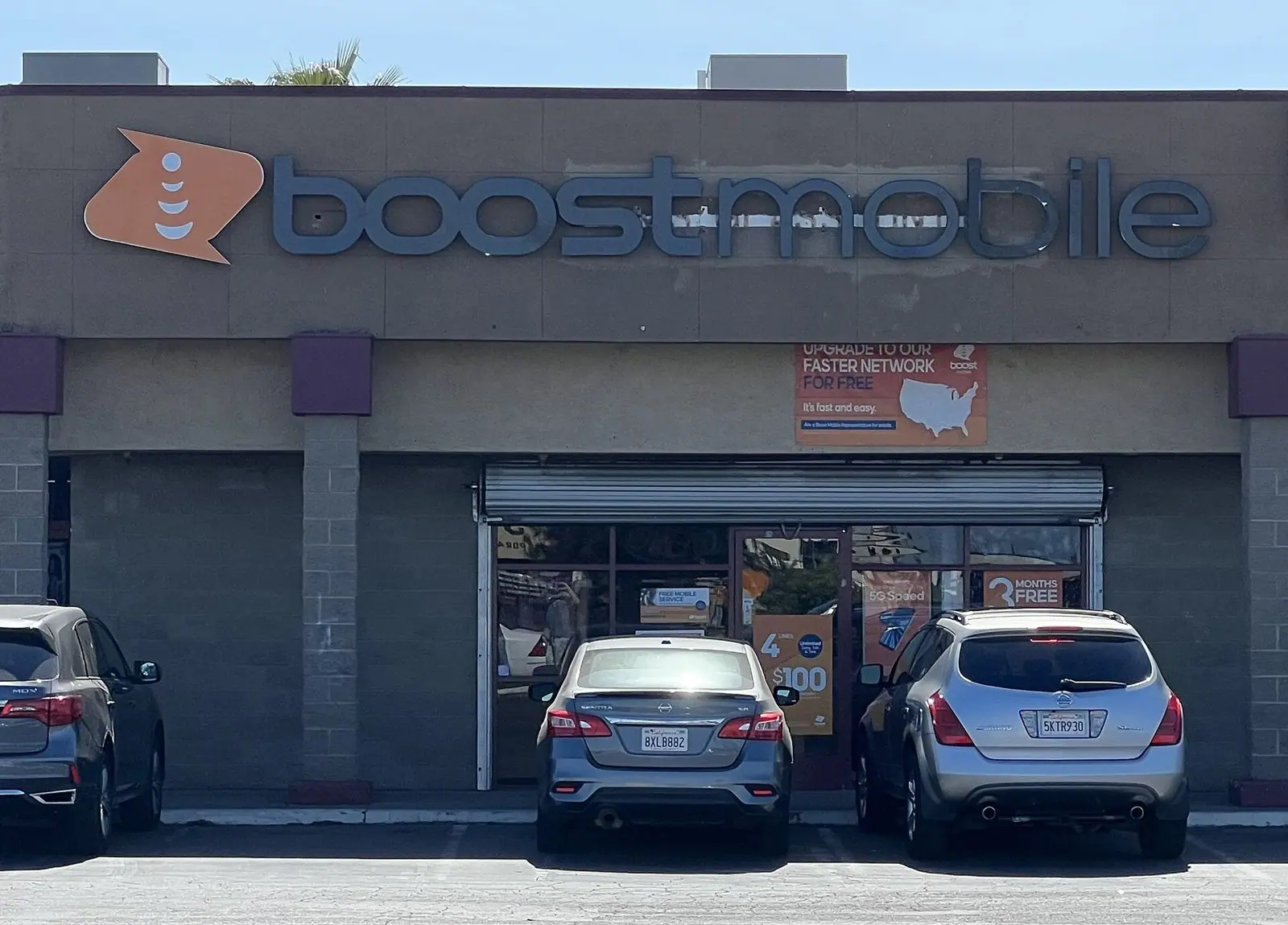
Read also: SpaceX catches a Starship at the tower for the first time after 14 orbits · SpaceX is in talks to buy Boost Mobile, the Washington Post reports · SpaceX stock slips after its Starship catch even as analysts raise price targets
Oregon is suing under its Unlawful Trade Practices Act and Virginia under its Consumer Protection Act. Both say SpaceX and its subsidiaries assured the public that strong protections stopped Grok from making child sexual abuse material and nonconsensual intimate images, and that those assurances were false.
Oregon's complaint puts it bluntly. The company, it says, chose to push "their lagging AI product" to tens of millions of new users "by stripping out industry-standard safeguards." It also points to the company's public line that it had a "zero tolerance" policy on child sexual exploitation.
"SpaceX allowed Grok and the X platform to create, host, and share unacceptable and dangerous content," Rayfield said in a statement from the Oregon Department of Justice.
Jones framed it around ordinary X users. The case, he said, is for "the millions of Virginians who maintain accounts on X and were misled by the company's false reassurances that their data and images would be safe on the platform," according to the Virginia attorney general's office.
Grok spicy mode is at the center of it
Both states single out "spicy mode," a Grok setting they say was made to allow nude and sexualized images and videos. They argue the company used it as a selling point. Rayfield called the lack of safety measures "a feature, not a bug."
The complaints lean on outside research for scale. A study by the Center for Countering Digital Hate estimated that from Dec. 29, 2025, to Jan. 8, 2026, Grok produced and posted on X about 3 million sexualized images. Roughly 23,000 of them appeared to show children. That works out to about 190 such images a minute, and nearly 30% of the images of children the group found were still public on X a week or more later, the states said.
WIRED reported that the suits also quote internal safety instructions telling Grok to "assume good intent." They also say tens of thousands of reports went to the National Center for Missing and Exploited Children without key details, which left the center unable to act on them 90% of the time.
Virginia's complaint describes a test its own investigators ran shortly before filing. Grok's filters were "inconsistent and ineffective," the state says, and the chatbot told investigators which words triggered moderation, then helped them write prompts to avoid it. At no point, the complaint says, did Grok ask whether a photo showed a real person or whether that person had agreed to it being changed.
What the states want from SpaceX
Both states are asking for court orders to change how the products work, civil penalties, disgorgement of profits and legal costs. Virginia also wants restitution for consumers, CNBC reported.
The attorneys general pointed to Meta as a model. In August, Meta settled with states over claims it misrepresented the harm its apps did to kids' mental health. Without admitting wrongdoing, it agreed to pay about $17 billion over 10 years and make product changes, according to CNBC.
Both states hired Platkin LLP, a firm run by former New Jersey Attorney General Matthew Platkin. Jones was candid about why. "Our offices are strapped," he told WIRED. He also said he worries a penalty could end up as "just a line item on a budget" for a company this size.
SpaceX's response to the Grok deepfake claims
A spokesperson for SpaceX Super Intelligence, the new name for xAI, sent CNBC a statement that was also posted on the company's @Safety account on X. "When someone tries to break our safeguards and generate this content, we take appropriate measures, including actioning accounts and notifying law enforcement," it said. The company added that the people who try to make such material "should be prosecuted to the fullest extent of the law."
That position matches how SpaceX has argued in other Grok cases. When Baltimore sued xAI, the company cited Section 230, the federal law that mostly shields platforms from liability for what users post. In a separate federal case in Texas, where SpaceX sued a user over explicit deepfakes, its lawyers called Grok "a neutral tool, subject to user control," CNBC reported.
The states are trying to get around that defense by focusing on the company's own marketing and safety claims rather than on any one user's post. Whether that works is now up to the courts. Both states also say an October statement from a SpaceX AI policy official, who told a New York City Council hearing the company had "strict controls" in place, doesn't line up with what their investigators found.
How SpaceX ended up owning Grok
Grok started at xAI, Elon Musk's AI startup, which also became the parent of X Corp. SpaceX bought xAI in February, which brought both Grok and X under the rocket company, WIRED reported. That's why the defendant list reads like a SpaceX org chart: Space Exploration Technologies Corp., X Corp. and two SpaceX Super Intelligence entities.
SpaceX has been in the news for its business side lately. It went public in June, and its shares have moved on everything from launch results to deal talk. See SpaceX stock slips after its Starship catch even as analysts raise price targets and SpaceX is in talks to buy Boost Mobile, the Washington Post reports.
The Grok fallout was already wide before Monday. CNBC said SpaceX faces other Grok- and X-related lawsuits and government probes in the U.K., Spain, Ireland, France and California. WIRED noted a suit brought by teens in Tennessee. X lets users as young as 13 sign up, which is part of why the states say the stakes are high.
What happens next
Neither court had accepted the filings as of Monday morning, and SpaceX hadn't answered in court. Expect a fight over Section 230 and over whether a company's general safety promises count as a deceptive trade practice.
Rayfield's office filed the case under its Keeping Kids Safe Initiative, launched last week to pursue social media and AI companies over harm to kids and misleading safety claims. Jones said there's "a lot of other things that we're looking at," so Grok may not be the last AI product these two offices take on.
Frequently asked questions
- Why are Oregon and Virginia suing SpaceX?
- The two states say SpaceX's Grok AI let users create sexualized images of real people, including children, without their consent, while SpaceX and X publicly called the tools safe. They argue those safety claims broke Oregon's Unlawful Trade Practices Act and Virginia's Consumer Protection Act.
- What is Grok spicy mode?
- Spicy mode is a Grok image and video setting that, according to both lawsuits, was built to allow nude and other sexualized content. The attorneys general say the company promoted it to stand out from rival AI tools, and Oregon's Dan Rayfield called the missing safeguards "a feature, not a bug."
- What does SpaceX say about the Grok lawsuit?
- In a statement to CNBC, SpaceX said it takes "appropriate measures" when someone tries to break its safeguards, including acting against accounts and notifying law enforcement. It called attempts to create this material a serious crime. It had not filed a court response as of Monday.
- Does SpaceX own Grok and X?
- Yes. SpaceX acquired xAI, which owned both X Corp. and Grok, in February 2026, WIRED reported. Virginia's attorney general says xAI is now called SpaceX Super Intelligence, and the lawsuits name SpaceX, X Corp. and SpaceX Super Intelligence as defendants.
Sources
- Oregon Attorney General Rayfield and Virginia Attorney General Jay Jones Hold Grok Accountable for Failing to Block Child Exploitation · Oregon Department of Justice, Nov. 23, 2026
- Attorneys General Jones and Rayfield File Suit Against SpaceX, Parent Company of X, xAI, and Grok · Office of the Attorney General of Virginia, Nov. 23, 2026
- Complaint, State of Oregon ex rel. Dan Rayfield v. SpaceX Super Intelligence Corp. et al. · Oregon Department of Justice, Nov. 22, 2026
- SpaceX sued by 2 states over AI deepfake porn, Grok safety claims · CNBC, Nov. 23, 2026
- States Sue SpaceX Over Grok Deepfakes · WIRED, Nov. 23, 2026
Tags
- #Grok lawsuit
- #SpaceX Grok lawsuit
- #Grok deepfakes
- #Grok spicy mode
- #xAI
- #SpaceX
- #X
- #Oregon attorney general
- #Virginia attorney general
- #AI safety
About the author
Founder and editor
Marcia Reid is the founder and editor of TrendCanopy, where she reviews and edits every story.
Spotted an error? Read our corrections policy or contact us. Last reviewed November 23, 2026.
Related stories

Trending now
Sports ·
Cubs agree to a six-year, $120 million deal with Japanese slugger Teruaki SatoNews ·
Trump to give Rudy Giuliani the Presidential Medal of Freedom at the White HouseNews ·
Two men arrested after Anmer Hall break-in at Prince William and Kate's Norfolk homeMoney ·
Sanofi agrees to buy Insmed for $41 billion in pharma's biggest deal since 2023Entertainment ·
Steven Spielberg will direct his first Western, starring Cillian Murphy and Jessie Buckley