Supreme Court Lets Big Bend Border Wall Construction Resume
The Supreme Court on Monday let Trump restart Big Bend border wall construction in West Texas, lifting a judge's order. What the ruling does and what's next.
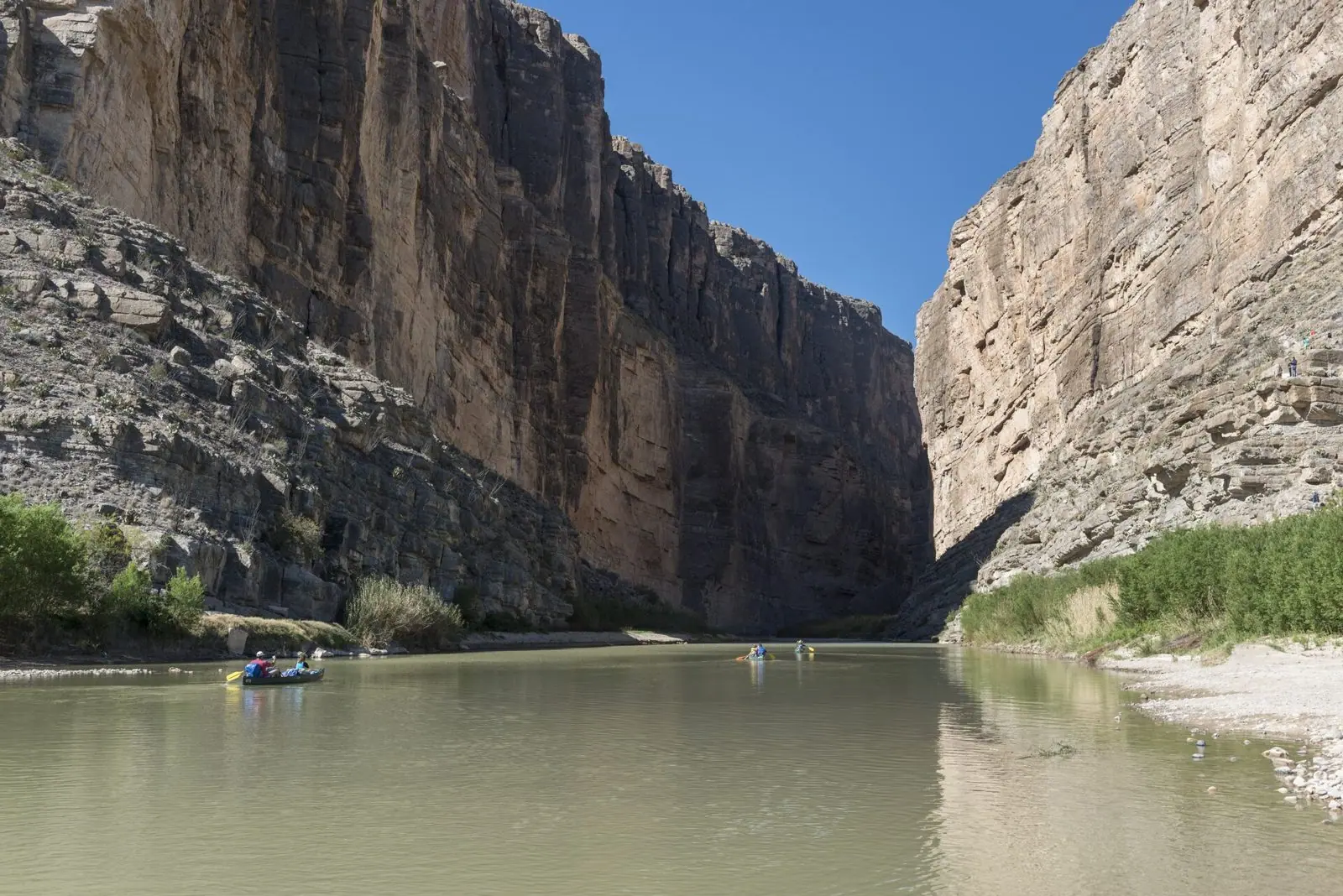
What happened
The Supreme Court on Monday, Nov. 9, 2026, let the Trump administration resume Big Bend border wall construction in West Texas. In a five-page unsigned order, the justices set aside a federal judge's injunction that had halted the work while a lawsuit from environmental groups and local residents plays out. Justice Ketanji Brown Jackson was the only justice to note a dissent. The case itself isn't over, but construction can restart in the meantime.
Key takeaways
- The order said the administration was "extremely likely to prevail" on its argument that the lower-court judge overstepped, NBC News reported.
- The government says the Big Bend project covers 341 miles of construction, including Big Bend National Park.
- Officials say the park itself would get a 17-mile barrier, not the 30-foot steel fencing planned elsewhere, according to Fox News.
- The fight is over waivers that let Homeland Security skip environmental and conservation laws to build faster.
In this article
Last updated: Monday, Nov. 9, 2026, 4:30 p.m. ET. This is a developing story. The Supreme Court's order is temporary and the underlying lawsuit is still pending.
The Supreme Court on Monday cleared the way for border wall construction to restart in the Big Bend region of West Texas, one of the most remote and scenic stretches of the U.S.-Mexico border.
The justices granted the Trump administration's emergency request and set aside an injunction from a federal judge in El Paso that had stopped the work, NBC News and Fox News reported. CBS News also reported the decision Monday afternoon.
What the Supreme Court ruled on the Big Bend border wall
The order was unsigned and ran five pages. According to NBC News, the court said the district judge had no authority to rule as she did and that the administration was "extremely likely to prevail" on that point. It also said the government has "compelling interests" when a challenged policy involves border security.
Justice Ketanji Brown Jackson was the lone justice to note a dissent. She indicated she would have denied the request but didn't file a written opinion, Fox News reported.
This isn't the end of the case. The ruling is a stay, which means construction can go ahead while the lawsuit continues in the lower courts.
How the case got here
The fight centers on three waivers. Then-Homeland Security Secretary Kristi Noem issued one in February, and her successor, Markwayne Mullin, issued two more in May and July, NBC reported. Those waivers let the government skip environmental and conservation laws that would otherwise slow construction.
On Oct. 2, U.S. District Judge Kathleen Cardone threw out Noem's waivers, ruling that the secretary didn't have such sweeping power. She refused to put her decision on hold, and the administration went to the Supreme Court.
Solicitor General D. John Sauer told the justices that Congress gave the government "broad authority" in 1996 to build border infrastructure without getting tied up in red tape. The challengers read that same 1996 law much more narrowly. They argue it allows only limited waivers, and only where illegal crossings are widespread.
Who is fighting the wall
Three plaintiffs brought the suit: the Center for Biological Diversity, an environmental group; Friends of the Ruidosa Church, a nonprofit restoring a historic church in the area; and Danny Miller, a river guide who owns property there.
Their lawyers warned that construction would "result in the permanent alteration of an irreplaceable landscape" and "threaten unique historic and cultural resources," according to NBC.
They also point to the numbers. Big Bend has the lowest count of migrant encounters of any stretch of the southern border, government data shows. Fox News, citing Reuters, reported that the Big Bend Sector covers more than 500 miles, roughly a quarter of the border, but accounted for just 1.3% of border apprehensions in 2025.
The administration sees it differently. It says 89,000 people have been detained trying to cross there in recent years, and officials have warned that if the rest of the wall is built and Big Bend stays open, smugglers will shift their routes there.
What gets built, and where
The government says the Big Bend project involves 341 miles of construction, and that includes Big Bend National Park. Inside the park, officials have described a 17-mile barrier that won't use the 30-foot steel pedestrian fencing going up elsewhere on the border, Fox reported. Most of the sector's construction would be on private land, according to administration officials.
Work had already started before the injunction. NBC published a Getty photo of an excavator clearing land near Santa Elena Canyon inside the park in August.
The project is part of a much larger push. Backed by funding from the Republican-controlled Congress, the administration wants to finish a roughly 2,000-mile line of steel panels, vehicle barriers and surveillance technology, NBC reported.
What we don't know yet
It's not clear how quickly crews will return to the Big Bend sites, or whether park access will change once they do. None of Monday's reports gave a restart date. The lawsuit itself goes on in the lower courts, and the order doesn't settle whether the waivers were legal.
This decision lands on a busy day in Washington, with Congress back for its first session since the midterms and a Hegseth impeachment vote now on the House calendar. For another recent fight over federal power in the courts, see our report on the Alaska Senate "two Dan Sullivans" lawsuit.
We'll update this story as the administration and the plaintiffs respond.
Frequently asked questions
- Did the Supreme Court approve the Big Bend border wall?
- It let construction resume, but it hasn't issued a final ruling on the merits. On Nov. 9, 2026, the justices lifted a federal judge's injunction that had paused the work, so building can continue while the lawsuit moves through the courts.
- Will there be a border wall in Big Bend National Park?
- Some kind of barrier is planned there. Administration officials have said the park is slated for a 17-mile barrier, though not the 30-foot steel pedestrian fencing planned for other parts of the border, Fox News reported. Most of the Big Bend Sector construction would be on private land, officials said.
- Who sued to stop the Big Bend border wall?
- The Center for Biological Diversity, Friends of the Ruidosa Church and Danny Miller, a river guide who owns property in the area, according to NBC News. They argue the government misused its power to waive environmental laws and that the wall would damage the landscape and historic sites.
- Which justice dissented in the Big Bend border wall case?
- Justice Ketanji Brown Jackson. She indicated she would have denied the government's request but didn't write an opinion explaining why, Fox News reported.
Sources
- Supreme Court paves way for Trump to build a section of his border wall in the Big Bend area of Texas · NBC News, Nov. 9, 2026
- SCOTUS allows Trump admin to temporarily resume border construction in Texas' Big Bend · Fox News, Nov. 9, 2026
- Supreme Court allows border wall construction in Big Bend region · CBS News, Nov. 9, 2026
Tags
- #Supreme Court
- #Border Wall
- #Big Bend National Park
- #Texas
- #Immigration
- #Donald Trump
About the author
Founder and editor
Marcia Reid is the founder and editor of TrendCanopy, where she reviews and edits every story.
Spotted an error? Read our corrections policy or contact us. Last reviewed November 9, 2026.
Related stories
Brooklyn Building Collapse Death Toll Rises to 8 on Flatbush Avenue
The Brooklyn building collapse death toll rose to 8 Thursday, with 17 hurt, Mayor Mamdani said. What we know about the Flatbush site, victims and the cause.

Scott Colom Wins Mississippi Senate Race, Unseating Hyde-Smith
Scott Colom wins the Mississippi Senate race, beating Sen. Cindy Hyde-Smith. He's the first Democrat the state has sent to the Senate since 1982.
Scott Bessent Moved to a Military Base After Iranian Threats
Treasury Secretary Scott Bessent has moved from his Georgetown home to a military base after Iranian threats. What we know about the move and why he's a target.
Jim Jordan Elected House Minority Leader, Beating Scalise 106-73
Jim Jordan is the new House GOP leader. Republicans picked him as minority leader over Steve Scalise, 106-73, after losing the House in the midterms.
Nor'easter This Week: Where the First Snow Could Fall in the Northeast
A nor'easter could bring the first snow of the season to interior New England, upstate New York and the Appalachians Thursday to Saturday. Timing and cities.
Ozempic Blindness Warning: FDA Adds NAION Risk to All GLP-1s
The FDA's new Ozempic blindness warning covers every GLP-1, from Wegovy to Zepbound. What NAION is, how rare it is, and the symptoms to watch for.