FEMA's emergency alert test hits TV and radio Tuesday afternoon, but not phones
FEMA and the FCC run a one-minute nationwide Emergency Alert System test at 2:20 p.m. ET Nov. 17. See the time where you live and why your phone stays quiet.
What happened
FEMA and the Federal Communications Commission will run a nationwide emergency alert test on Tuesday, Nov. 17, 2026, at about 2:20 p.m. Eastern. Radio and TV programming will be interrupted for roughly one minute with alert tones and a message saying it is only a test. Unlike the last national test in 2023, nothing will be sent to cellphones. No one needs to do anything.
Key takeaways
- If an emergency or major storm gets in the way, the backup date is Thursday, Dec. 3, 2026.
- NOAA Weather Radios will not carry the test, according to the National Weather Service.
- FEMA posted on X Monday to push back on rumors, calling it a routine test with "no blackouts, no secret emergencies."
In this article
If your TV show or radio station cuts out for a minute on Tuesday afternoon, don't reach for the go-bag. It's a drill.
The Federal Emergency Management Agency, working with the Federal Communications Commission, is running a nationwide test of the Emergency Alert System on Tuesday, Nov. 17, 2026. It starts at about 2:20 p.m. Eastern, it lasts around a minute, and it reaches every radio and TV outlet that carries emergency alerts. It will not reach your phone.
That last part is the big change from the previous national drill, and it's the question a lot of people are typing into Google this morning.
Read also: Florida flooding closes Broward schools after 15 inches of rain hits Hollywood · Breckenridge recalls propranolol capsules nationwide over possible metal contamination · FAA lifts a nationwide ground stop after a communications outage grounds flights
What time is the emergency alert test today?
The emergency alert test is scheduled for approximately 2:20 p.m. ET on Tuesday, Nov. 17. Here's what that looks like across the country:
| Time zone | Local time |
|---|---|
| Eastern | 2:20 p.m. |
| Central | 1:20 p.m. |
| Mountain | 12:20 p.m. |
| Pacific | 11:20 a.m. |
| Alaska | 10:20 a.m. |
| Hawaii | 9:20 a.m. |
Arizona is on Mountain Standard Time year-round, so it's 12:20 p.m. there too. Because each broadcaster relays the signal on its own equipment, the alert may land a little before or after the exact minute.
What you'll see and hear
Radio and TV broadcasters, cable systems, satellite radio and TV providers, and wireline video providers will all break into regular programming, according to FEMA's release as posted by Wisconsin Emergency Management. The familiar harsh alert tones come first. FEMA says the standard tones are included to support accessibility for people who are deaf or hard of hearing.
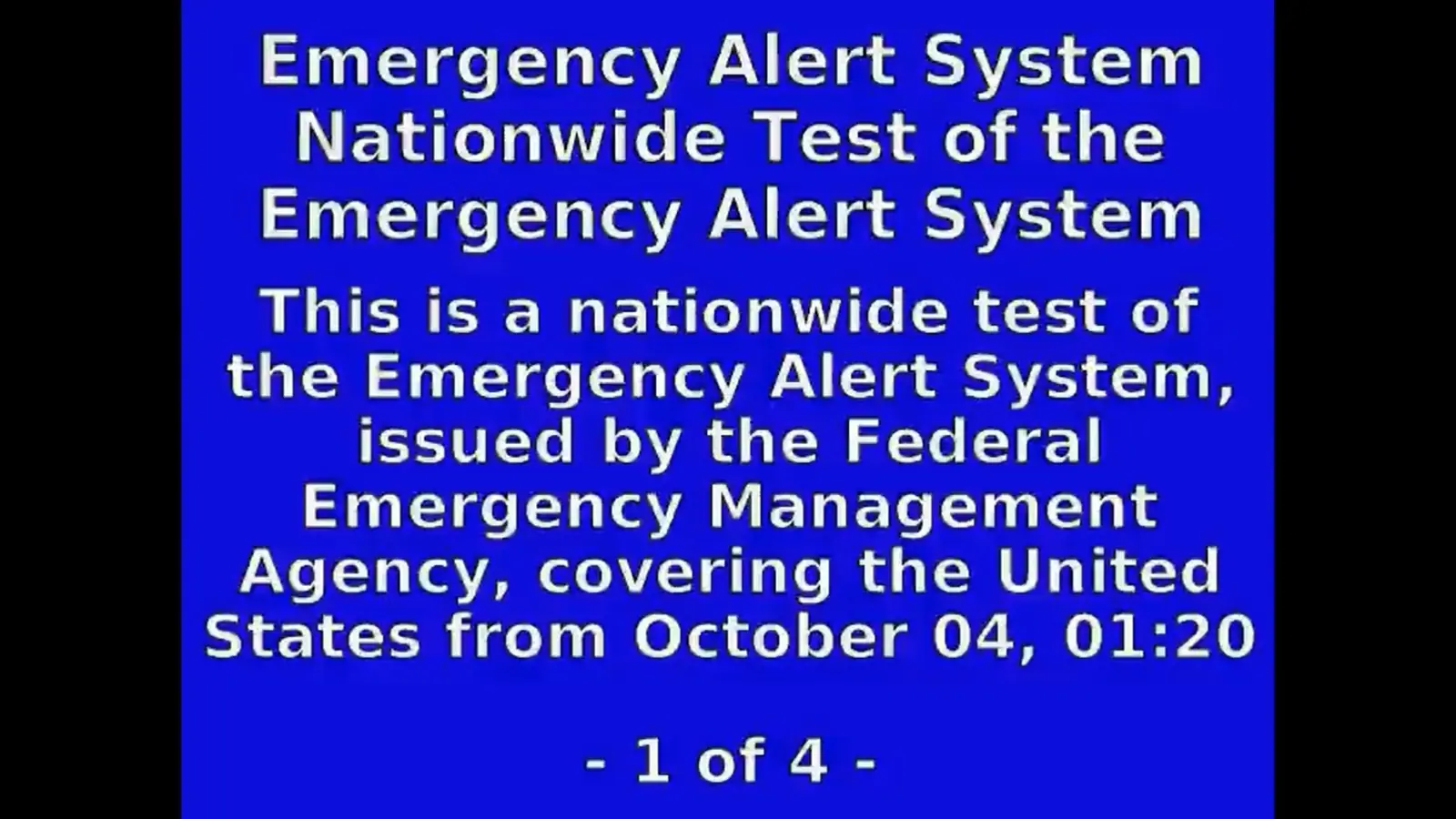
Then comes the message. FEMA says it will read: "This is a nationwide test of the Emergency Alert System, issued by the Federal Emergency Management Agency. This is only a test. No action is required by the public." The Maryland Department of Emergency Management said the version on screen may also note the covered time window in Eastern time.
Stations can air it in English, Spanish or both. After roughly 60 seconds, your program comes back.
The image at the top of this page shows what TV viewers saw during the last national test in 2023. Expect something similar: a plain screen of scrolling text, not a flashy graphic.
Will the emergency alert test go off on my phone?
No. This year's drill covers only the Emergency Alert System, the broadcast side of the federal warning network. Wireless Emergency Alerts, the system that makes phones shriek during Amber Alerts and tornado warnings, are not included. The Utah Division of Emergency Management put it bluntly: the test "will not be sent to mobile phones."
That's different from Oct. 4, 2023, when FEMA tested both systems at once and nearly every cellphone in the country sounded off at the same moment. CNN noted that the 2023 drill was a much bigger deal for that reason.
NOAA Weather Radios won't pick up Tuesday's test either, the National Weather Service said. If your weather radio goes off on Tuesday, check what it's saying, because it isn't the national test.
Why FEMA is testing the Emergency Alert System now
The short answer is the law. A 2015 federal law requires FEMA to test the national public alert and warning system at least once every three years. The last full test was in October 2023, so the clock was running out. The date was announced in September, long before this month's headlines.
The point is to find weak spots before a real emergency does. A nationwide alert passes through thousands of separate stations and cable systems, and each one has its own gear. A test shows which ones relay the message cleanly, which ones lag and which ones miss it altogether. Alaska ran a statewide version last month as a warm-up, according to CNN.
Why people are nervous about it anyway
The timing has made some people uneasy. Over the past week Americans have lived through a nationwide FAA ground stop blamed on a communications failure, a United Airlines system outage that kept planes at the gate, and an outage that left Chase, Bank of America and other big bank customers unable to log in. CNN's Brian Stelter wrote that the test arrives at "an anxious moment."
Social media has filled the gap with rumors that the alert is cover for something else. FEMA answered on X on Monday, saying there would be "no blackouts, no secret emergencies," only its legally required routine test on TV and radio. Nothing in the official announcements from FEMA, the FCC or state emergency agencies suggests otherwise.
Do I need to do anything during the emergency alert test?
No. There's nothing to sign up for, switch off or report. Keep doing what you're doing, and your program will come back in about a minute.
A few practical notes:
- Drivers: Your car radio may cut to the alert tones. It's loud but harmless, and it will pass quickly.
- Parents and caregivers: If you have kids or older relatives who get rattled by the tones, a quick heads-up before 2:20 p.m. ET helps.
- Pet owners: Some dogs react to the high-pitched tone. Turning the volume down for a minute is fine.
- Stores and offices: If you play radio or TV for customers, they'll hear it too.
Maryland's emergency management secretary, Russ Strickland, suggested using the day to make sure your devices and alert preferences are up to date, even though phones aren't part of this drill. On iPhones and Android phones, those switches live in the notification or safety settings.
What if the test is postponed?
FEMA and the FCC say they may push the test back if a real emergency or significant weather event happens on Nov. 17. The backup date is Thursday, Dec. 3, 2026, according to the Maryland and Wisconsin emergency agencies. If that happens, expect the same one-minute drill on radio and TV, with phones still left out.
We'll update this page if FEMA moves the date or reports problems after the test.
Frequently asked questions
- What time is the emergency alert test today?
- The test is set for about 2:20 p.m. Eastern on Tuesday, Nov. 17, 2026. That's 1:20 p.m. Central, 12:20 p.m. Mountain, 11:20 a.m. Pacific, 10:20 a.m. in Alaska and 9:20 a.m. in Hawaii. Stations may air it a few seconds to a minute off that mark.
- Will the emergency alert test go off on my phone?
- No. FEMA says this test is for the Emergency Alert System only, which runs on radio, broadcast TV, cable, satellite and wireline video services. Wireless Emergency Alerts are not part of it, so your phone should not buzz or blare because of the test.
- How long does the emergency alert test last?
- About one minute. Programming stops, the standard alert tones play, a test message appears or is read aloud, and then the regular show or song picks back up. Some stations may run the message in English, Spanish or both.
- What happens if the emergency alert test is postponed?
- FEMA and the FCC have set Thursday, Dec. 3, 2026, as the backup date. They have said they may postpone the Nov. 17 test if a real emergency or significant weather event happens that day.
Sources
- Nationwide Emergency Alert System Test on November 17 · Maryland Department of Emergency Management, Nov. 16, 2026
- Nationwide Emergency Alert System Test on Nov. 17 (FEMA release, via ReadyWisconsin) · Wisconsin Emergency Management, Nov. 2026
- FEMA and FCC to conduct nationwide test of Emergency Alert System · Utah Division of Emergency Management, Nov. 16, 2026
- FEMA and FCC nationwide test November 17th, 2026 · National Weather Service, Accessed Nov. 17, 2026
- 'This is only a test': Tuesday's emergency alert test comes at anxious moment in the US (CNN, via KSL.com) · CNN, Nov. 16, 2026
Tags
- #emergency alert test
- #emergency alert test today time
- #FEMA EAS test
- #emergency alert test November 17
- #Emergency Alert System
- #FCC
About the author
Founder and editor
Marcia Reid is the founder and editor of TrendCanopy, where she reviews and edits every story.
Spotted an error? Read our corrections policy or contact us. Last reviewed November 17, 2026.
Related stories
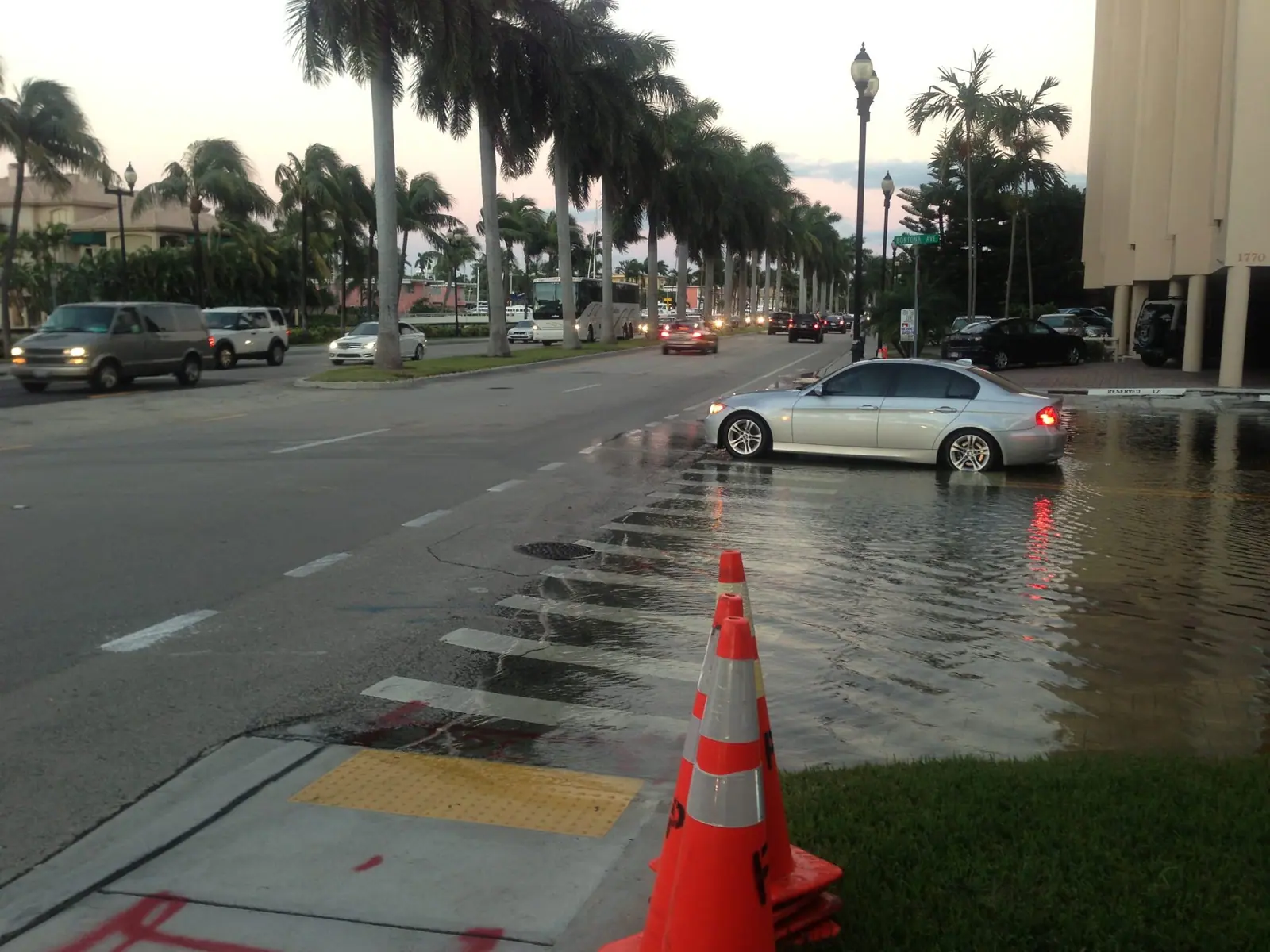
Florida flooding closes Broward schools after 15 inches of rain hits Hollywood
Broward County and Fort Lauderdale declared emergencies after an overnight deluge. Here's where more rain is due and how it could hit Thanksgiving travel.
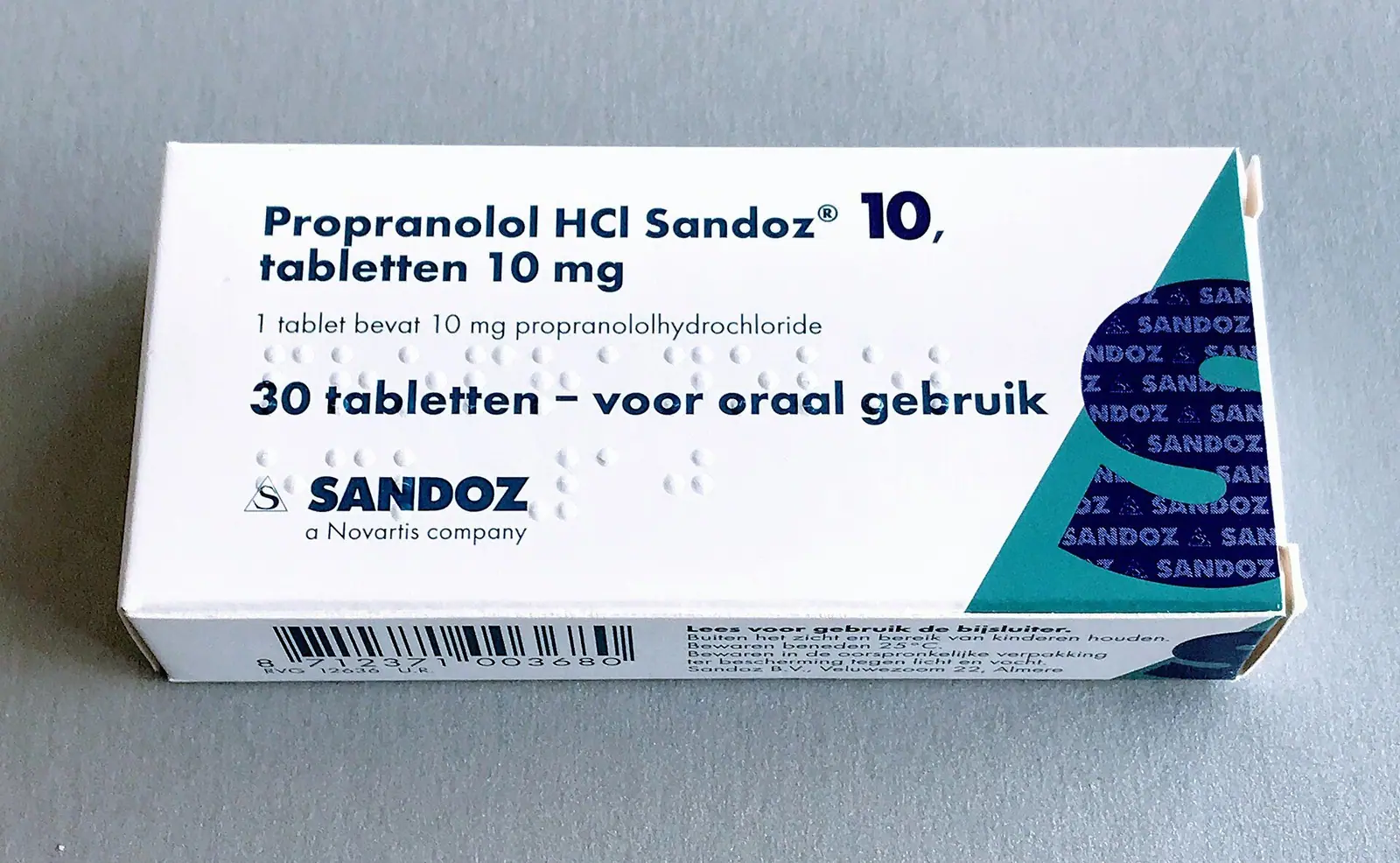
Breckenridge recalls propranolol capsules nationwide over possible metal contamination
One lot of 60 mg propranolol extended-release capsules shipped to U.S. pharmacies may contain metal. See the lot number, NDC and what patients should do now.
FAA lifts a nationwide ground stop after a communications outage grounds flights
The FAA nationwide ground stop has been lifted after a communications outage grounded U.S. flights for about four hours. What we know and your refund rights.

A New Orleans tanker hits a cruise ship with 129 aboard on the Mississippi River
A New Orleans tanker hit the docked cruise ship American Heritage on the Mississippi River with about 129 passengers aboard. What we know about the rescue.

Sen. Chris Murphy is 'awake and alert' at Hopkins after a stroke
Sen. Chris Murphy had a stroke at his son's hockey game and is at Johns Hopkins, awake and alert. What his office said, his health outlook and what's next.

House Democrats pick Hakeem Jeffries for speaker, putting him in line to make history
Democrats backed Hakeem Jeffries for speaker 251-11 in a closed-door vote. Here's who voted no, when the House floor vote happens and what he needs to win.
Trending now
Tech ·
GTA 6 reviews give Rockstar a 99 on Metacritic, tying Zelda's all-time recordEntertainment ·
Kevin Feige says Marvel was swapping Kang for Doom before Jonathan Majors was firedMoney ·
Anthropic prices its IPO at $83 a share, valuing the Claude maker at $1.5 trillionNews ·
Xi greets Trump on the tarmac in China, a welcome Putin didn't getNews ·
Mary Peltola wins Alaska Senate race, ousting Dan Sullivan and flipping the seat