McRib Lawsuit Moves Ahead: Judge Rejects McDonald's Bid
A federal judge let the McRib lawsuit go forward over claims the name implies rib meat. What the ruling says, how McDonald's responded and what happens next.

What happened
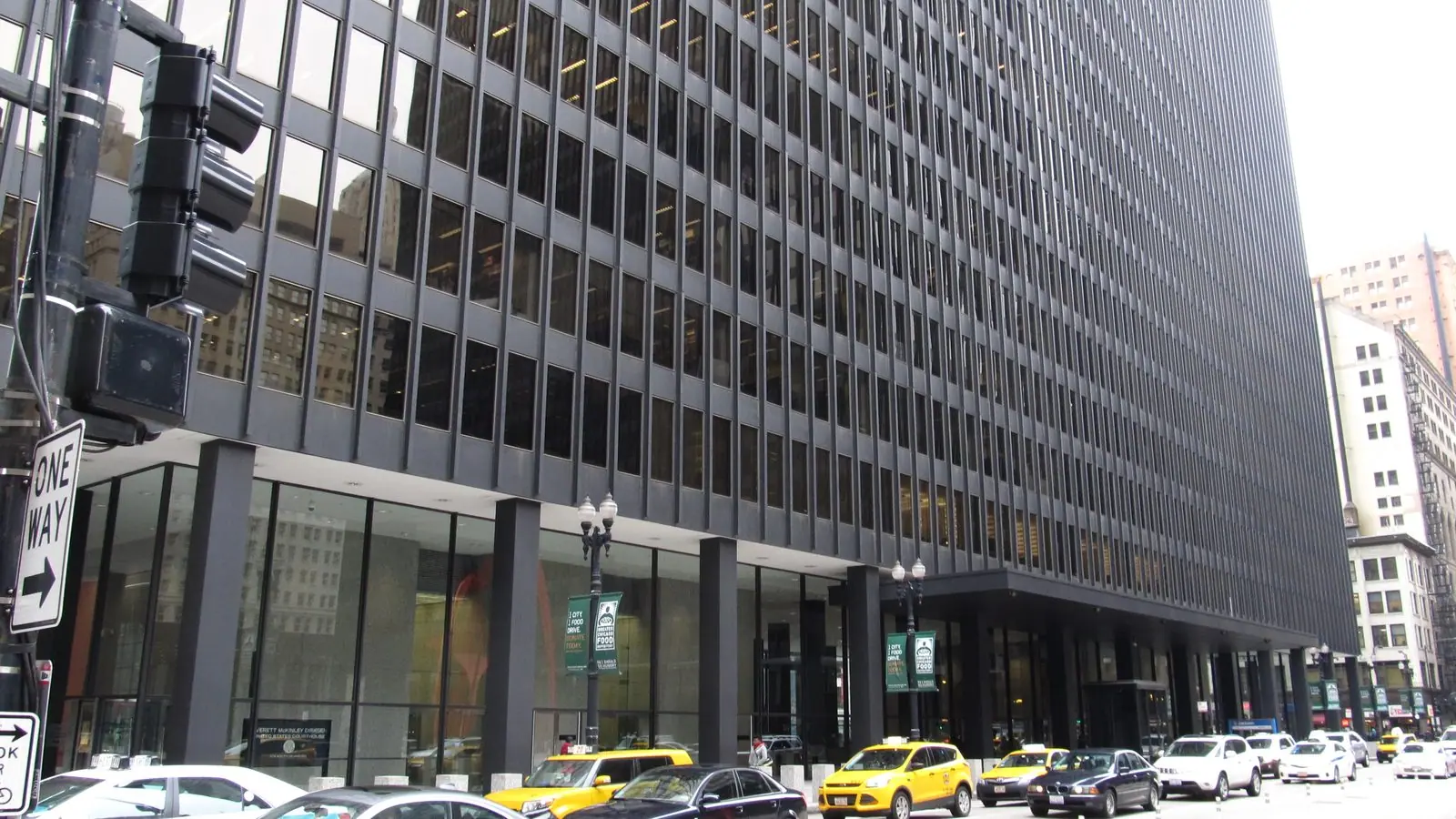
A federal judge in Chicago has refused to throw out the McRib lawsuit, a proposed class action claiming McDonald's misleads customers into thinking the sandwich contains pork rib meat. In an opinion issued Friday, Oct. 30, 2026, U.S. District Judge April Perry dismissed some claims but let the core consumer deception, fraud and unjust enrichment claims go forward. McDonald's calls the suit meritless and denies using the low-grade pork parts the plaintiffs describe. The ruling does not decide who is right.
Key takeaways
- Perry pointed out that McDonald's website calls the patty pork, nothing more, and said buyers of a roughly $7 sandwich shouldn't have to research it first.
- Five other claims were dropped without prejudice, so the plaintiffs can try to bring them back.
- No class has been certified and there's no settlement, so there is nothing for McRib buyers to sign up for yet.
- Plaintiffs cite surveys in which 72% of respondents expected rib meat in a McRib.
In this article
The McRib went back on sale in a handful of cities this week. A few days later, it landed in a Chicago courtroom. On Friday, Oct. 30, U.S. District Judge April Perry refused to dismiss the McRib lawsuit, a proposed class action accusing McDonald's of selling a sandwich called "McRib" that the plaintiffs say contains no rib meat, Reuters reported via NBC News.
That doesn't mean McDonald's lost. A motion to dismiss asks one narrow thing: if everything in the complaint were true, would it count as a legal claim? Perry decided it would, at least for now. Whether the claims are true is a fight for later.
What the judge decided in the McRib lawsuit
McDonald's asked the court to throw the case out entirely. Its main argument, quoted by Reuters, was that distinctive product names don't fool reasonable consumers, and that the plaintiffs' preference for a certain cut of pork "doesn't turn McDonald's truthful marketing into consumer fraud."
Perry didn't buy that, at least not at this stage. She called it premature to rule that no reasonable person could expect a McRib to contain rib meat. Her key line: "Plaintiffs' proffered understanding of 'McRib' is not unreasonable or fanciful."
Two details from her opinion stand out. First, she noted that the McDonald's website describes the sandwich only as containing pork. Second, she said people buying a fast-food sandwich that costs about $7 shouldn't be expected to research it before ordering. She also wrote that ads playing up the patty's rib-like shape could support a claim of intent to defraud, though the plaintiffs will need more proof, according to USA Today.
The ruling wasn't a clean sweep for the plaintiffs. Perry let the consumer deception, fraud and unjust enrichment claims proceed but dismissed five other claims without prejudice, Fox Business reported. "Without prejudice" means the plaintiffs can try to fix and refile them.
She also rejected the idea that a trademarked name gets a free pass. Perry pointed to other McDonald's items, the McChicken and the Egg McMuffin, whose names do describe what's in them, Fox Business reported.
What the plaintiffs claim
The case, Le et al. v. McDonald's Corporation, was filed Dec. 23, 2025, in the U.S. District Court for the Northern District of Illinois, according to the court docket. Four consumers are named: Peter Le, Charles Lynch, Dorien Baker and Darrick Wilson. Le, according to the complaint, lives in Baldwin Park, California, and bought a McRib around Nov. 15, 2024.
Their argument rests on more than the name. They say the patty is deliberately molded with ridges to look like a rack of ribs, and that the name, the shape, the marketing, the limited-time availability and the price all push buyers toward one conclusion. The complaint alleges the patty is actually made from lower-grade pork, including shoulder, heart, tripe and scalded stomach, so customers overpay.
The plaintiffs also leaned on numbers. One survey cited in the filing found 72% of respondents expected the McRib to contain rib meat, and another found 67% said rib meat was important or very important to their decision to buy, Fox Business reported. Perry cited the surveys and the marketing allegations in her reasoning.
They want to represent a nationwide class of everyone in the U.S. who bought a McRib starting four years before the suit was filed, plus state subclasses that include California, New York and Illinois, according to the complaint. The plaintiffs are represented by Thiago Coelho of Wilshire Law Firm, who said his clients will keep pushing to hold McDonald's accountable for what they call deceptive marketing.
How McDonald's responded
McDonald's denies the allegations. In a statement to Reuters, the company said it does not use hearts, tripe or stomach in the McRib and has always been open about its ingredients. "This lawsuit distorts the facts and the claims are meritless," the company said.
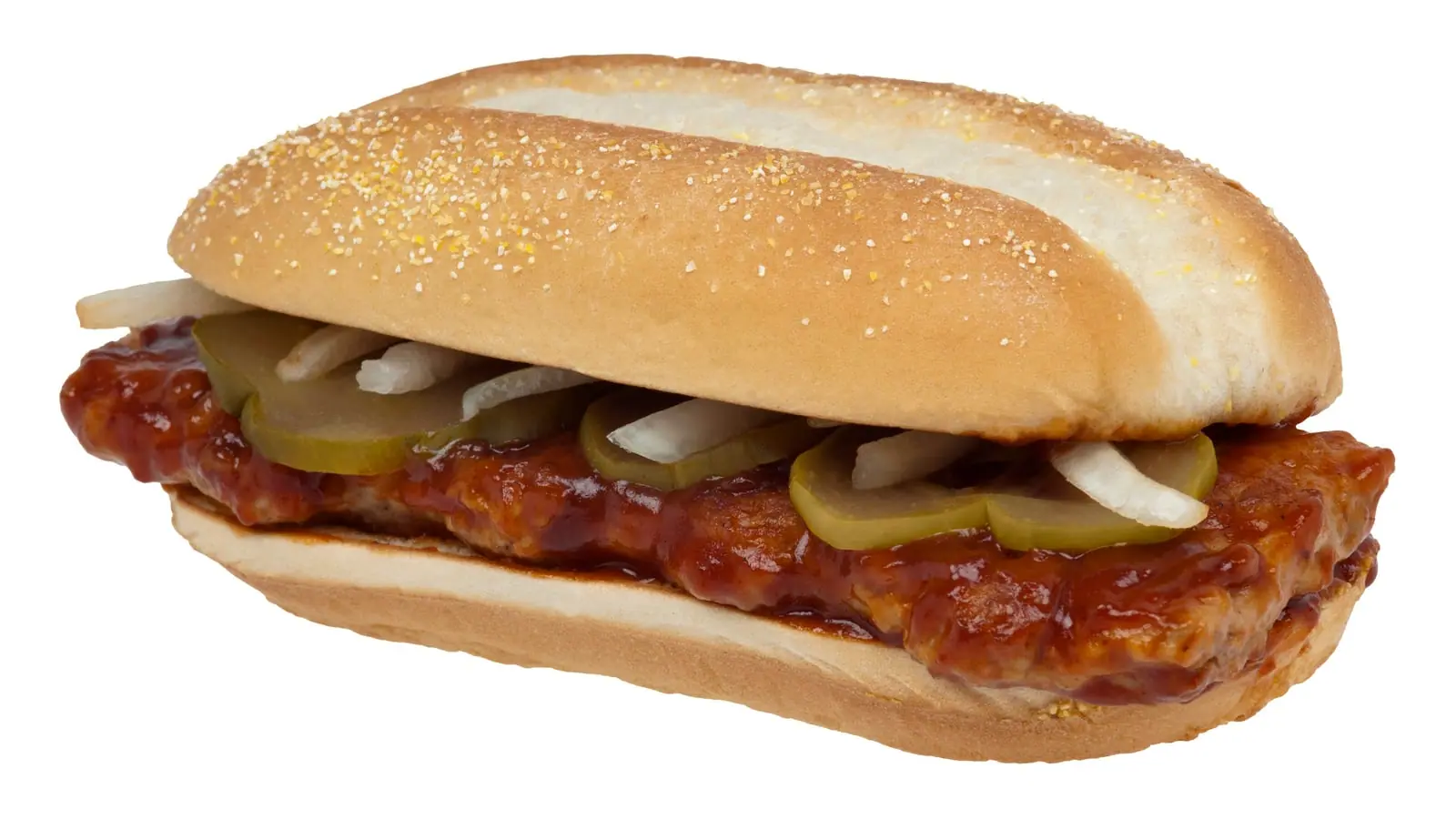
McDonald's has also told Fox Business the sandwich is made with 100% pork from U.S. farmers and suppliers, and it argued in court that its public ingredient list names pork as the main ingredient. What the company hasn't said publicly, at least in the coverage so far, is which cut of pork goes into the patty. That gap is exactly what the plaintiffs are seizing on.
Does the McRib have rib meat?
Nobody has proven the answer in court yet. The plaintiffs say there's no rib meat at all. McDonald's says the McRib is a boneless pork patty and that it's 100% pork, and it denies the heart, tripe and stomach allegations. Perry made no finding about what's in the sandwich. She only ruled that it's reasonable for a customer to assume a "McRib" involves ribs, which is enough to keep the case alive.
So if you're eating one this fall, nothing about the sandwich has changed. The 2026 McRib run started Oct. 27 at select restaurants, as we covered in our McRib return guide, and the lawsuit has no effect on whether your local McDonald's sells it.
Can you join the McRib lawsuit?
Not right now, despite plenty of people searching for a sign-up link. The court has not certified a class, and there's no settlement. A proposed class action only becomes a real one if the judge approves it later. If that happens, or if the two sides settle, eligible buyers are usually notified and given a claim process. Until then, be skeptical of any website promising McRib payouts.
What happens next
The case now heads toward discovery, the stage where each side has to turn over documents and evidence. For McDonald's, that could mean questions about exactly what goes into the patty and how the McRib has been advertised. After that comes the fight over whether the four plaintiffs can speak for everyone else who bought one.
Plenty of food-labeling suits end at the dismissal stage, which is why Friday's ruling got so much attention. Plenty of others that survive it end in settlements or get thrown out later on the evidence. McDonald's has faced other ad-based suits before; NBC News noted that McDonald's, Burger King and Wendy's were all accused of making burgers look bigger in ads than they are.
The McRib, first sold in 1981, has always traded on scarcity and nostalgia. This case asks a simpler question about it, one a jury may eventually have to answer: what does a customer think they're buying when they order a sandwich named after ribs?
Frequently asked questions
- Can I join the McRib lawsuit?
- Not yet. The McRib lawsuit is a proposed class action, and the court has not certified a class or approved any settlement as of Oct. 31, 2026. If a class is certified or a settlement is reached later, eligible buyers would normally be notified and told how to file a claim.
- Does the McRib have rib meat?
- That is what the lawsuit is about. The plaintiffs say the McRib contains no pork rib meat at all. McDonald's describes it as a boneless pork patty and says it is 100% pork, but its website does not say which cut. The court has made no finding on what is in the patty.
- What is the McRib made of?
- McDonald's describes the McRib as a boneless pork patty with barbecue sauce, onions and pickles on a long roll. The lawsuit alleges the patty uses shoulder, heart, tripe and stomach. McDonald's denies using heart, tripe or stomach and calls those claims meritless, according to Reuters and Fox Business.
- Who is suing McDonald's over the McRib?
- Four consumers, Peter Le, Charles Lynch, Dorien Baker and Darrick Wilson, filed the McRib lawsuit on Dec. 23, 2025, in federal court in Chicago. They are represented by attorney Thiago Coelho and want to represent everyone in the U.S. who bought a McRib in the four years before the suit.
- What happens next in the McRib lawsuit?
- The case now moves toward discovery, when both sides exchange evidence, and later a fight over whether it can proceed as a class action. Judge April Perry's Oct. 30, 2026, ruling only found the claims plausible enough to continue. McDonald's could still win, or the two sides could settle.
Sources
- McDonald's must face lawsuit over McRib, judge rules · NBC News (Reuters), Oct. 31, 2026
- Judge won't dismiss McRib class-action lawsuit against McDonald's · USA Today, Oct. 31, 2026
- McDonald's McRib lawsuit moves forward after federal judge's ruling · Fox Business, Oct. 30, 2026
- Le et al. v. McDonald's Corporation, No. 1:25-cv-15609 (N.D. Ill.), class action complaint · U.S. District Court for the Northern District of Illinois, Dec. 23, 2025
- Le et al v. McDonald's Corporation et al, case docket · PacerMonitor
Tags
- #McDonald's
- #McRib
- #Fast Food
- #Lawsuits
- #Food

About the author
Editorial team
The TrendCanopy editorial team researches what Americans are searching for, checks the facts against primary sources and publishes clear, sourced explainers.
Spotted an error? Read our corrections policy or contact us. Last reviewed October 31, 2026.
Related stories
McRib Returns Oct. 27, 2026: Cities, Dates and Calories
The McRib is back at McDonald's on Oct. 27, 2026, but only in select cities. Where to find it, when it returns, what's in it and McRib calories, explained.
Arby's Deep Fried Turkey Gobbler Is Back: What to Know
Arby's Deep Fried Turkey Gobbler and Club are back as of Oct. 26, 2026. What's on each sandwich, prices, how long they last and how to order.

Daylight Saving Time Ends Nov. 1, 2026: What to Know
Daylight saving time ends at 2 a.m. Sunday, Nov. 1, 2026. Who changes, who doesn't, what to reset and where the permanent DST bill stands.